2026
Adelaide St, Hazelmere
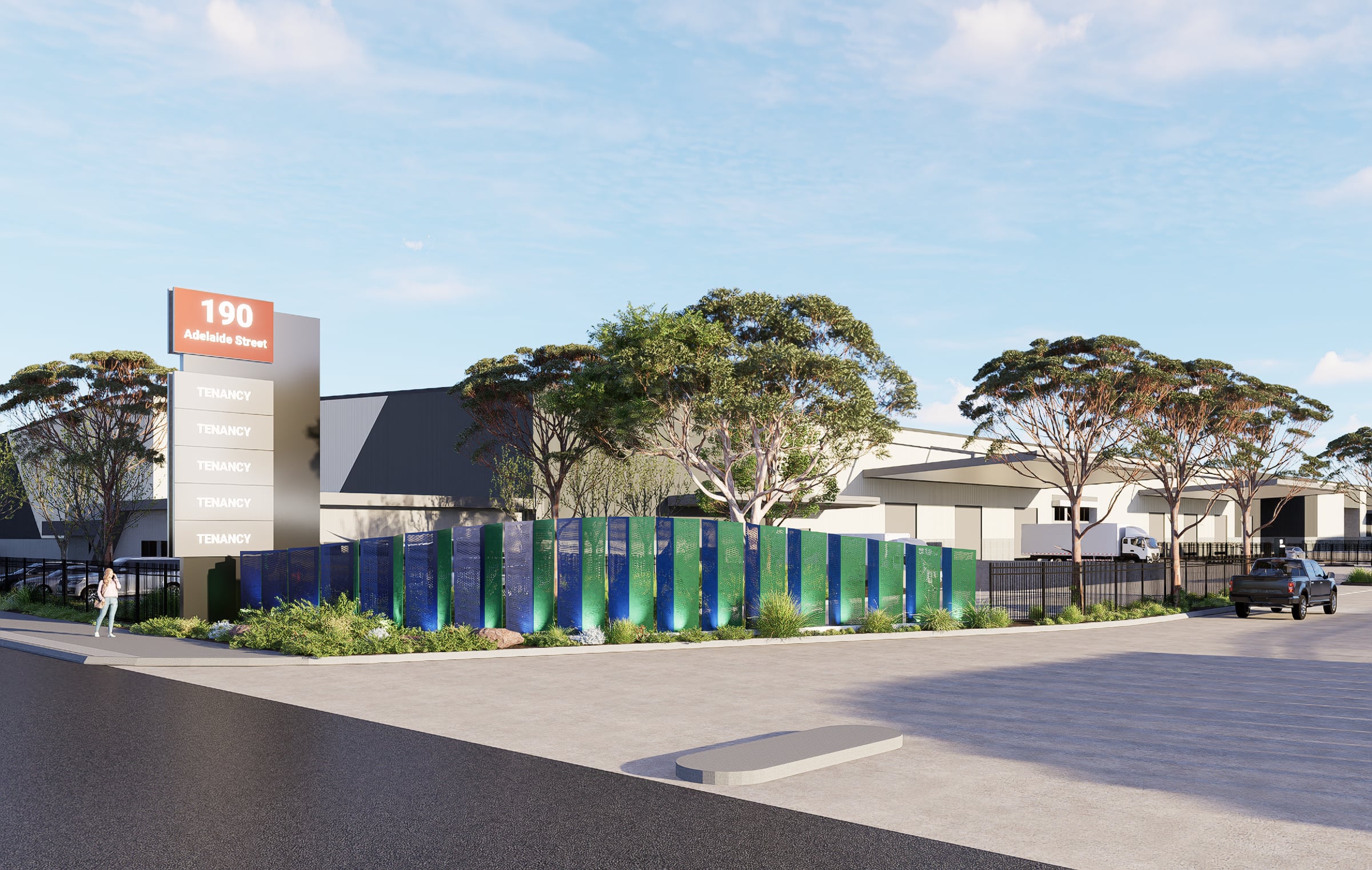
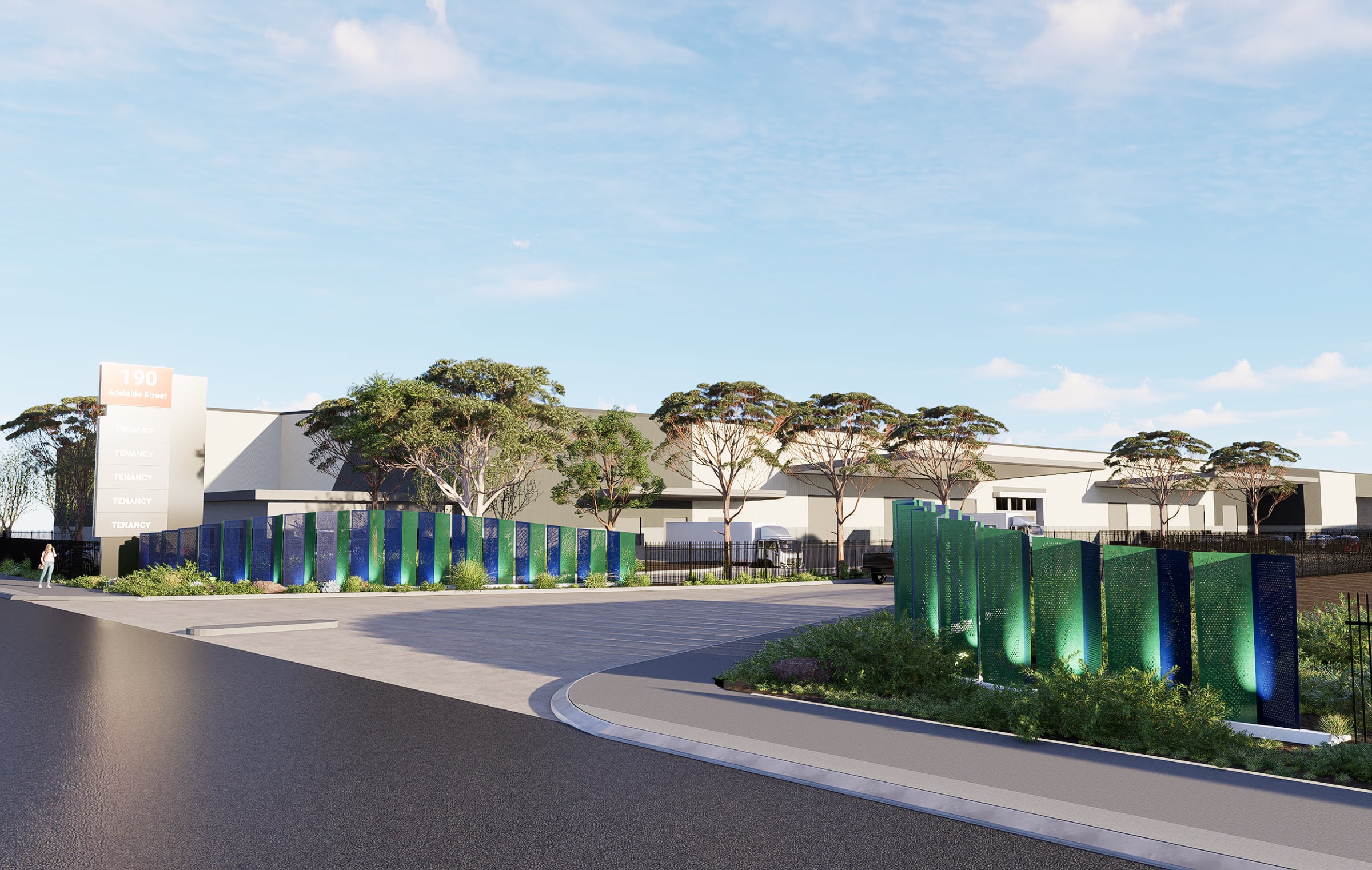
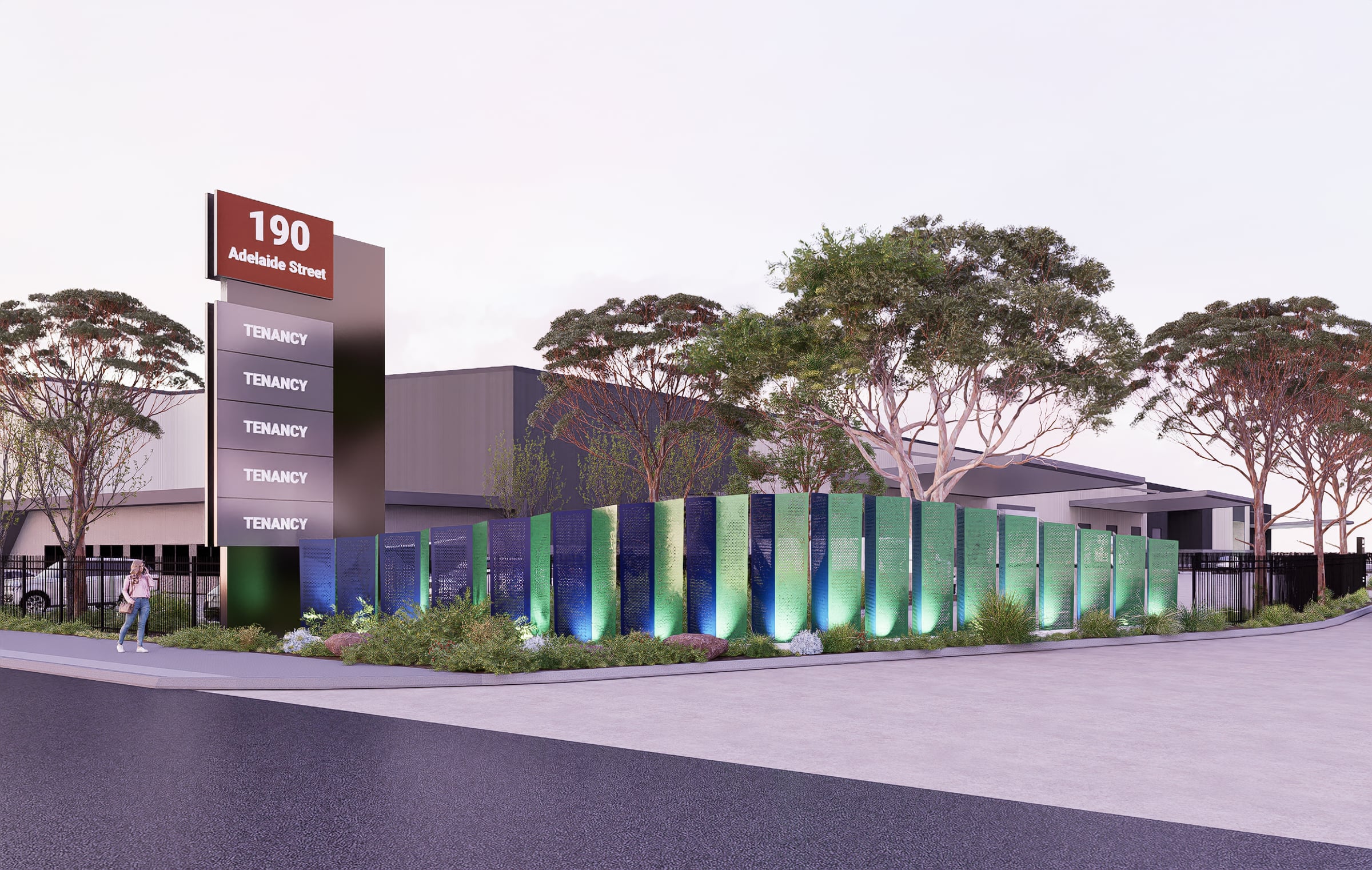
Entry Statement with programmable lighting
Hesperia
Gove Consulting Engineers
46lm, 2.1m to 3.1m in height
Steel with Liquid metal alloy brass with heat patina
$303, 000
Kilmore Group

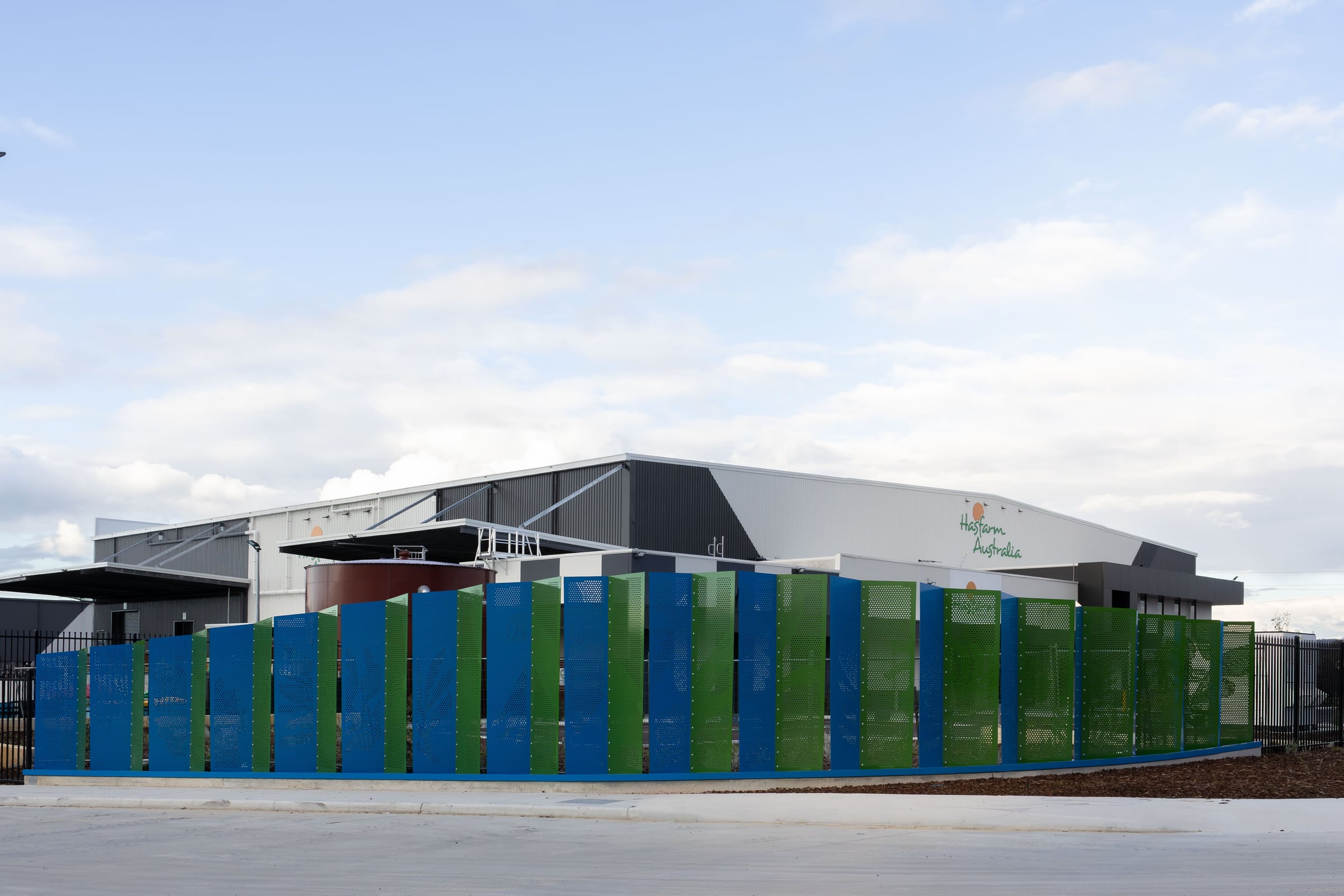
Two artworks on one pleated screen, green from one city, blue from the other, meeting at the boundary they refuse to obey.
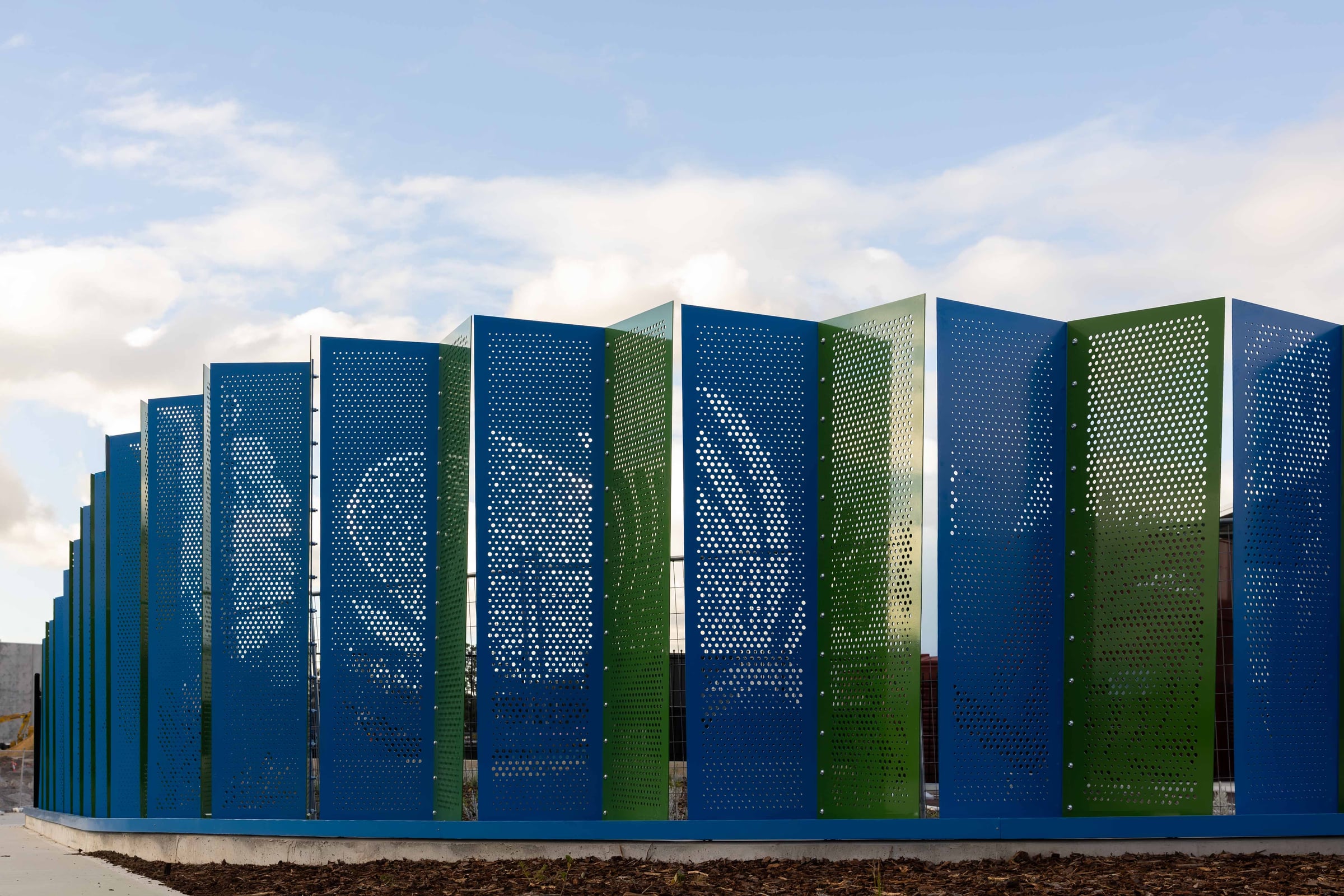
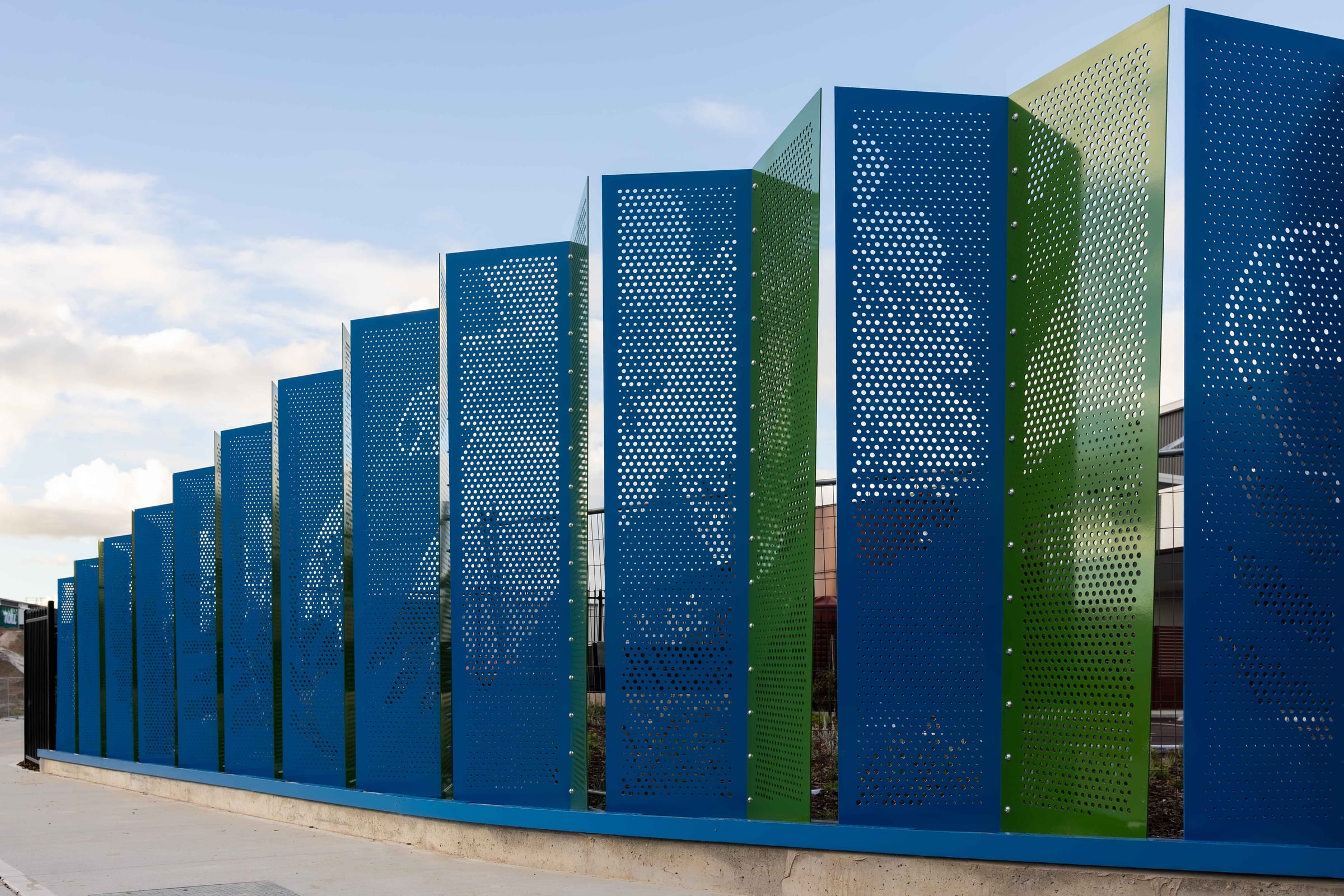
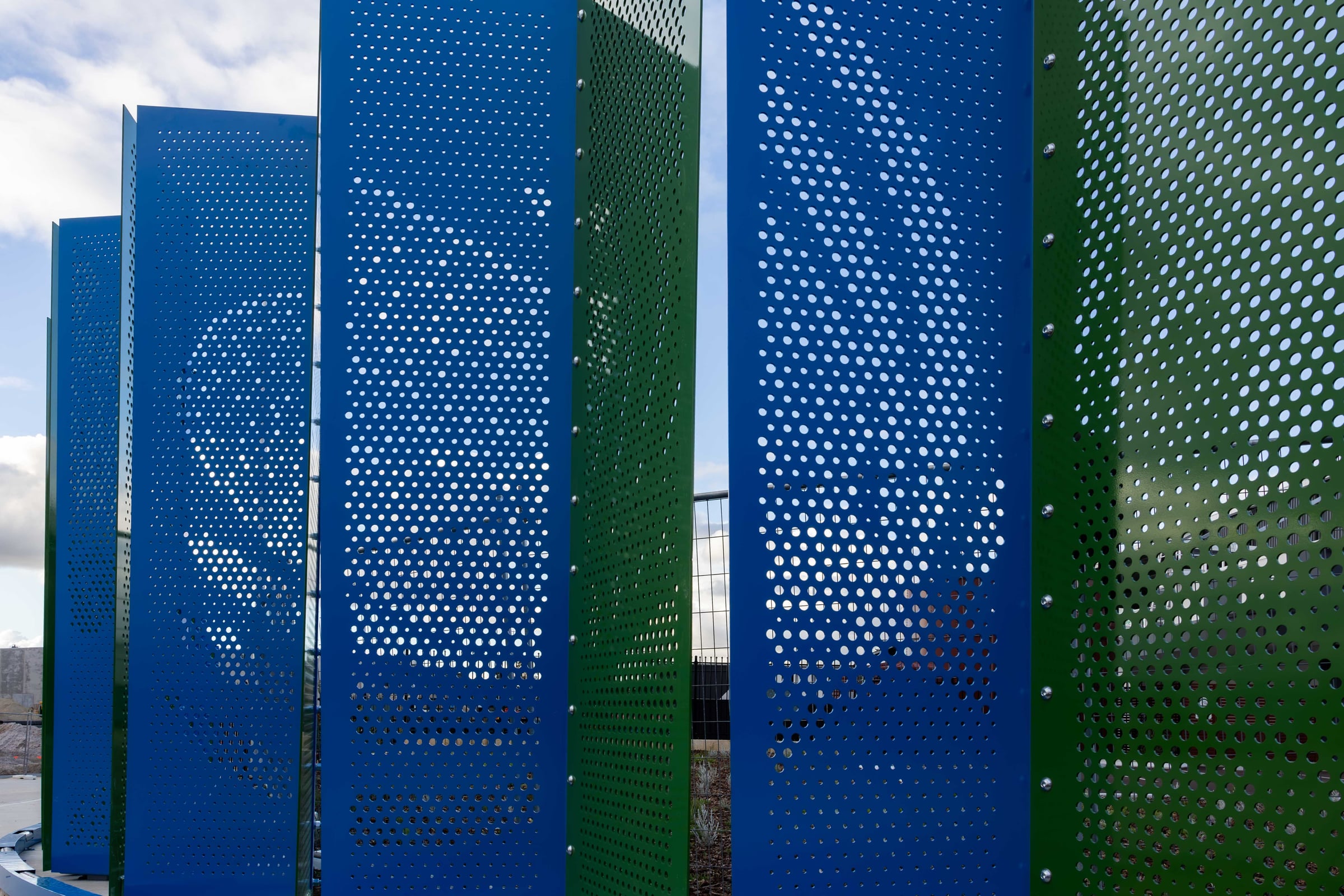
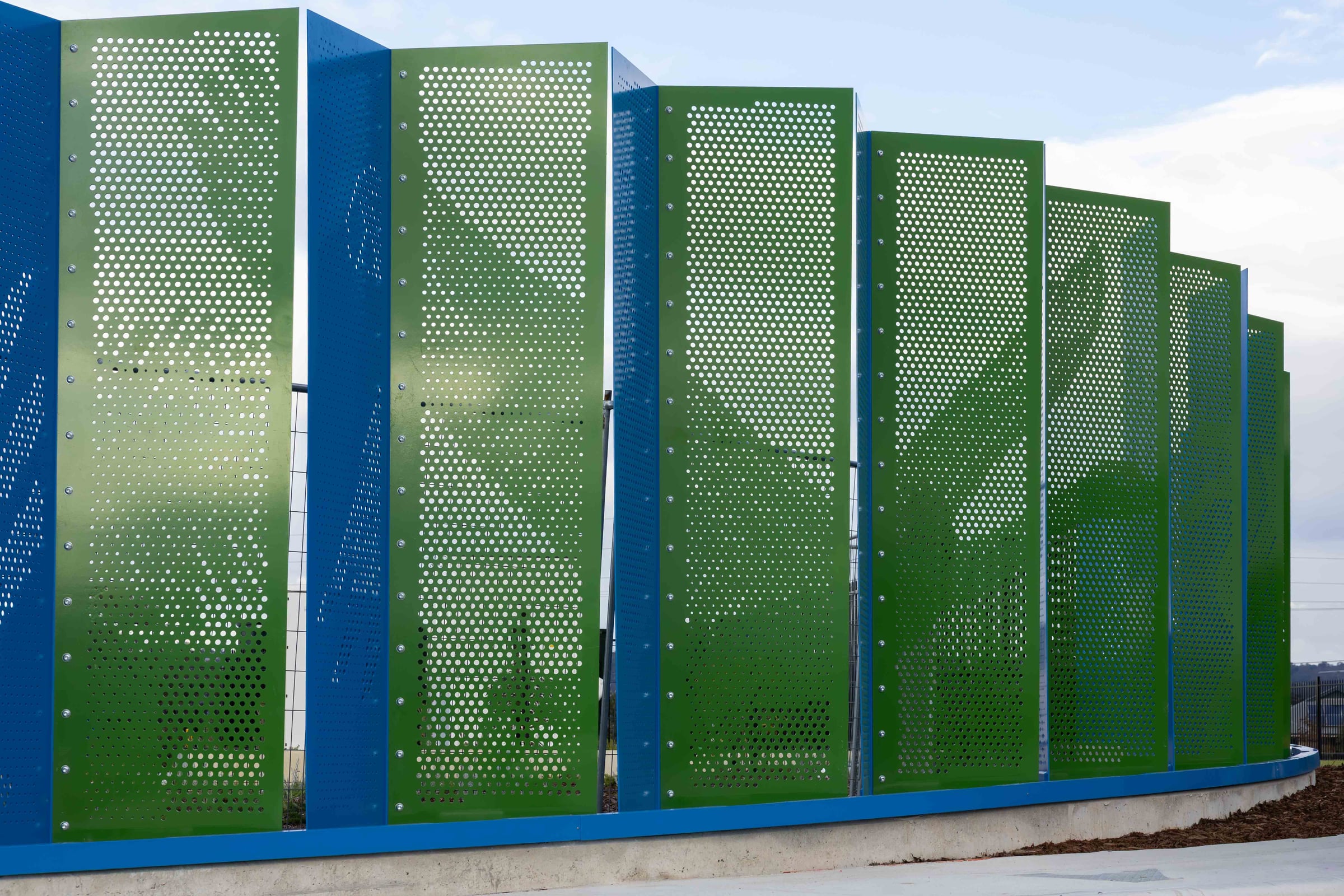
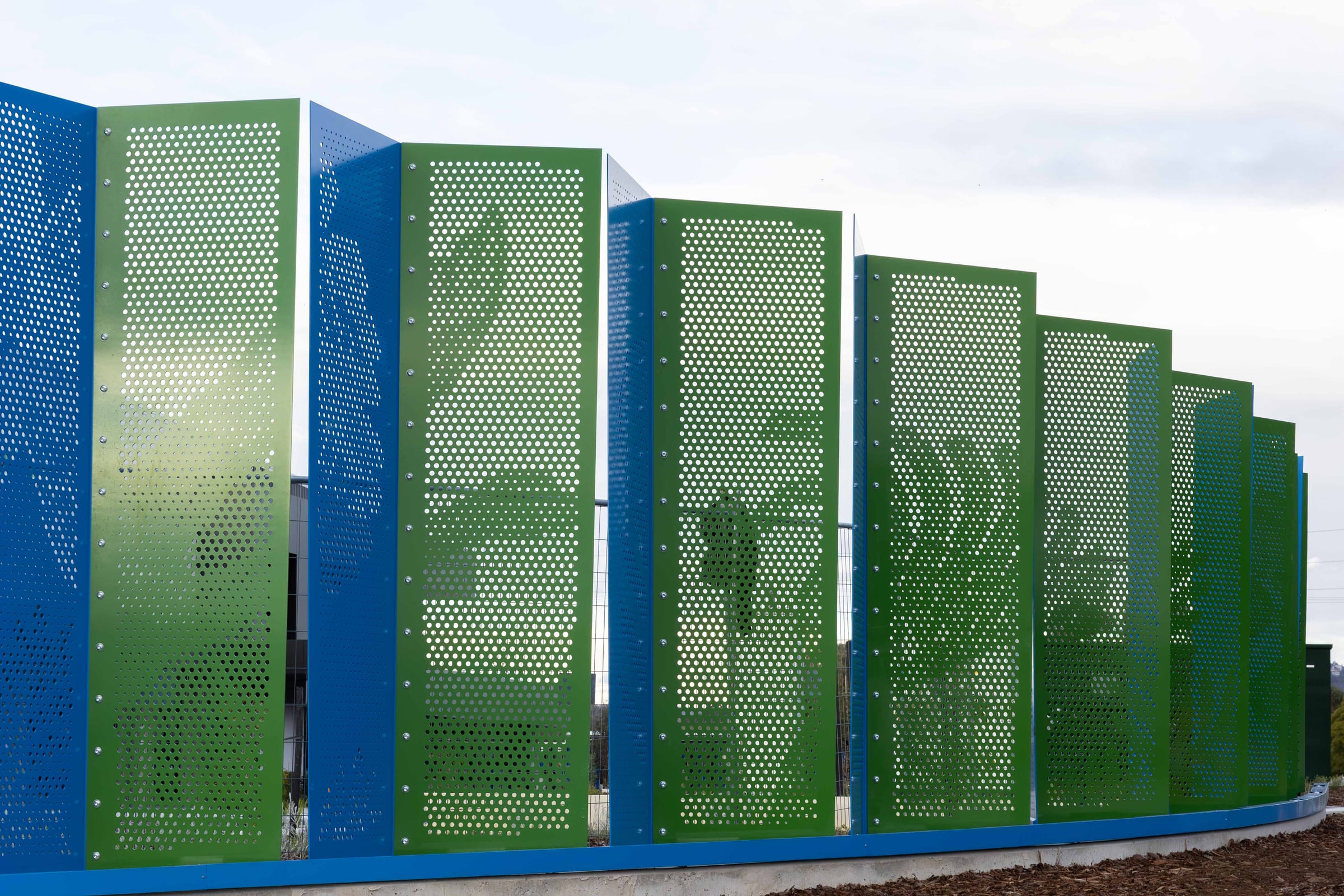
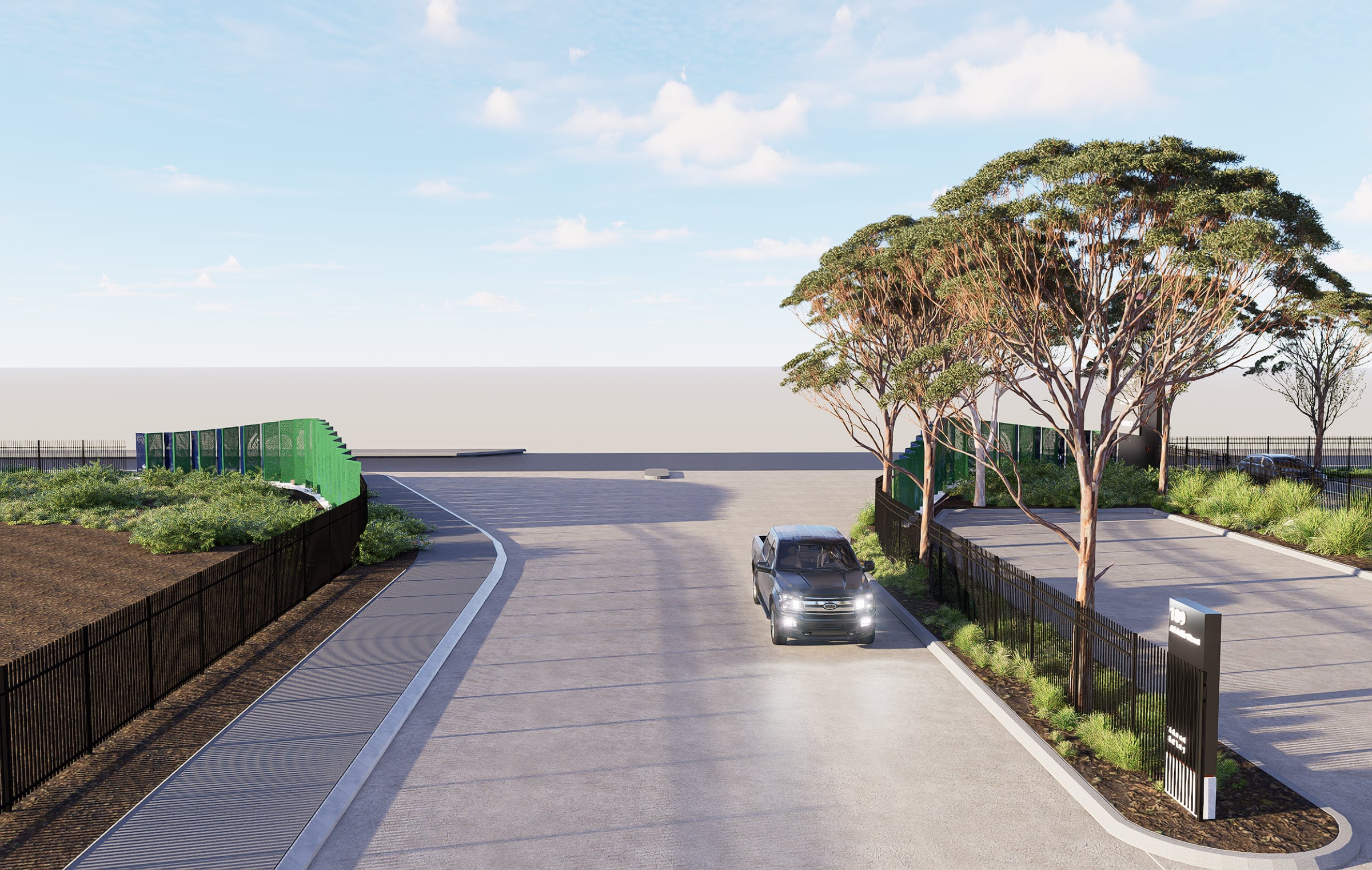
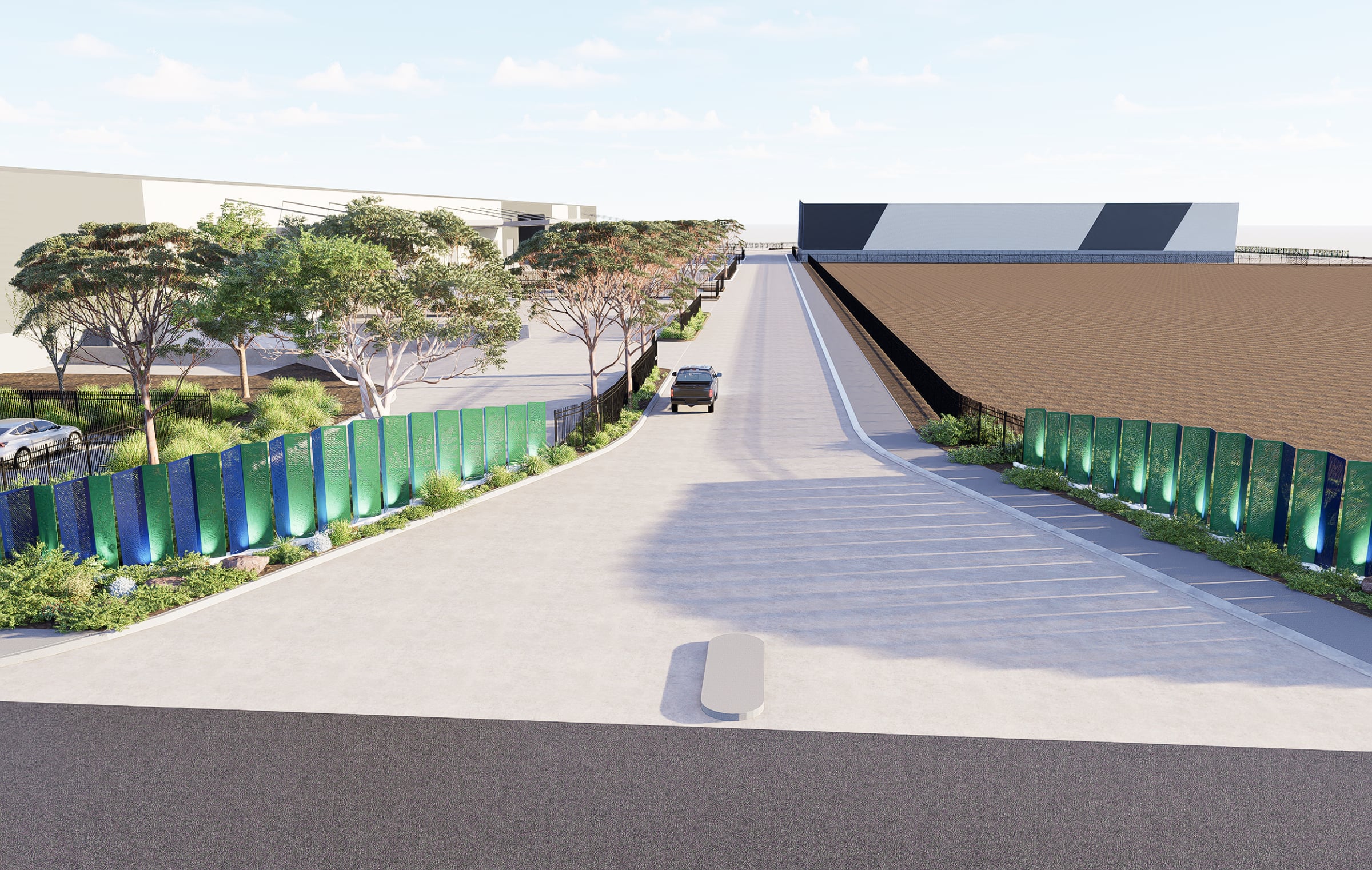
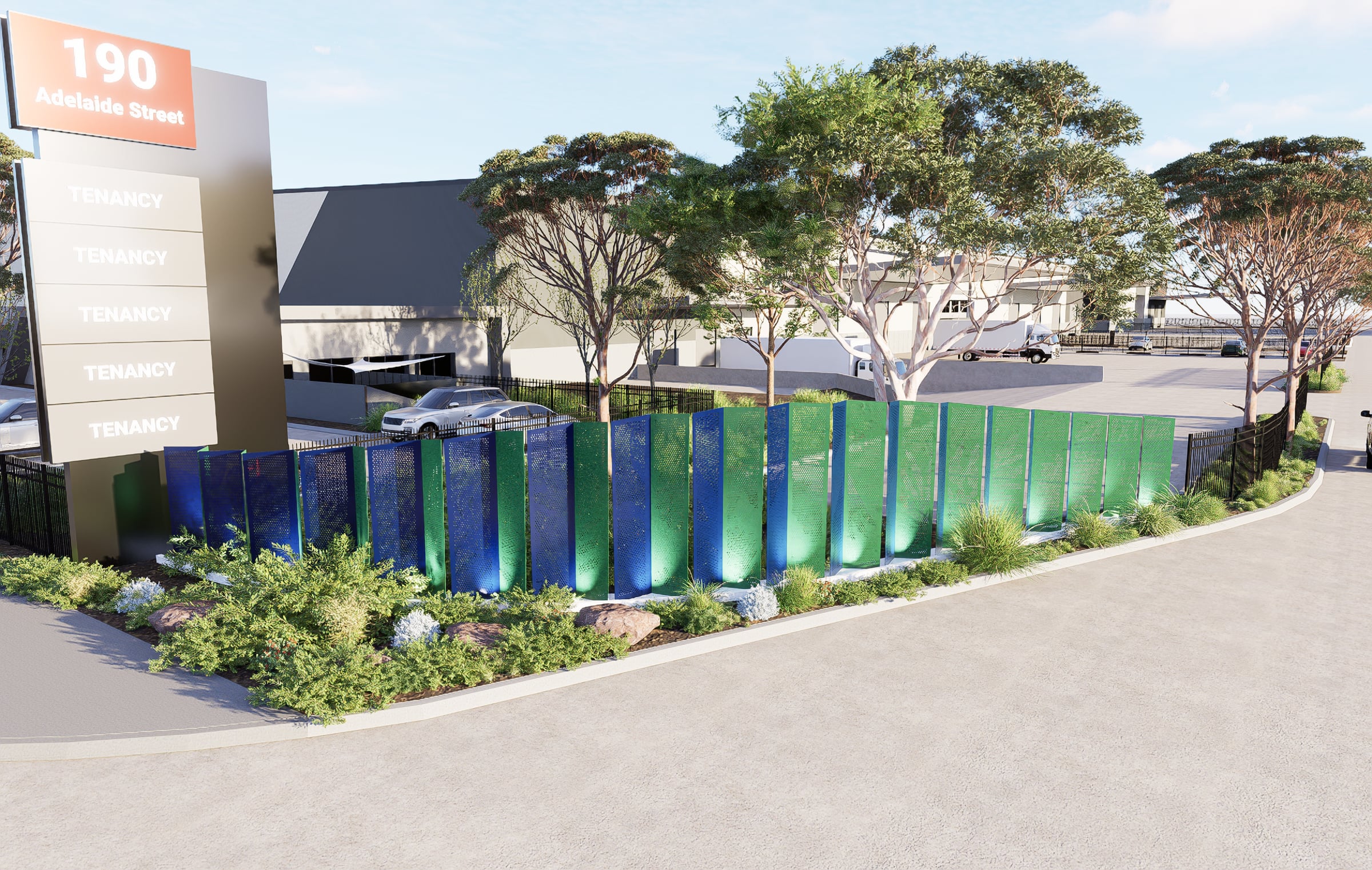
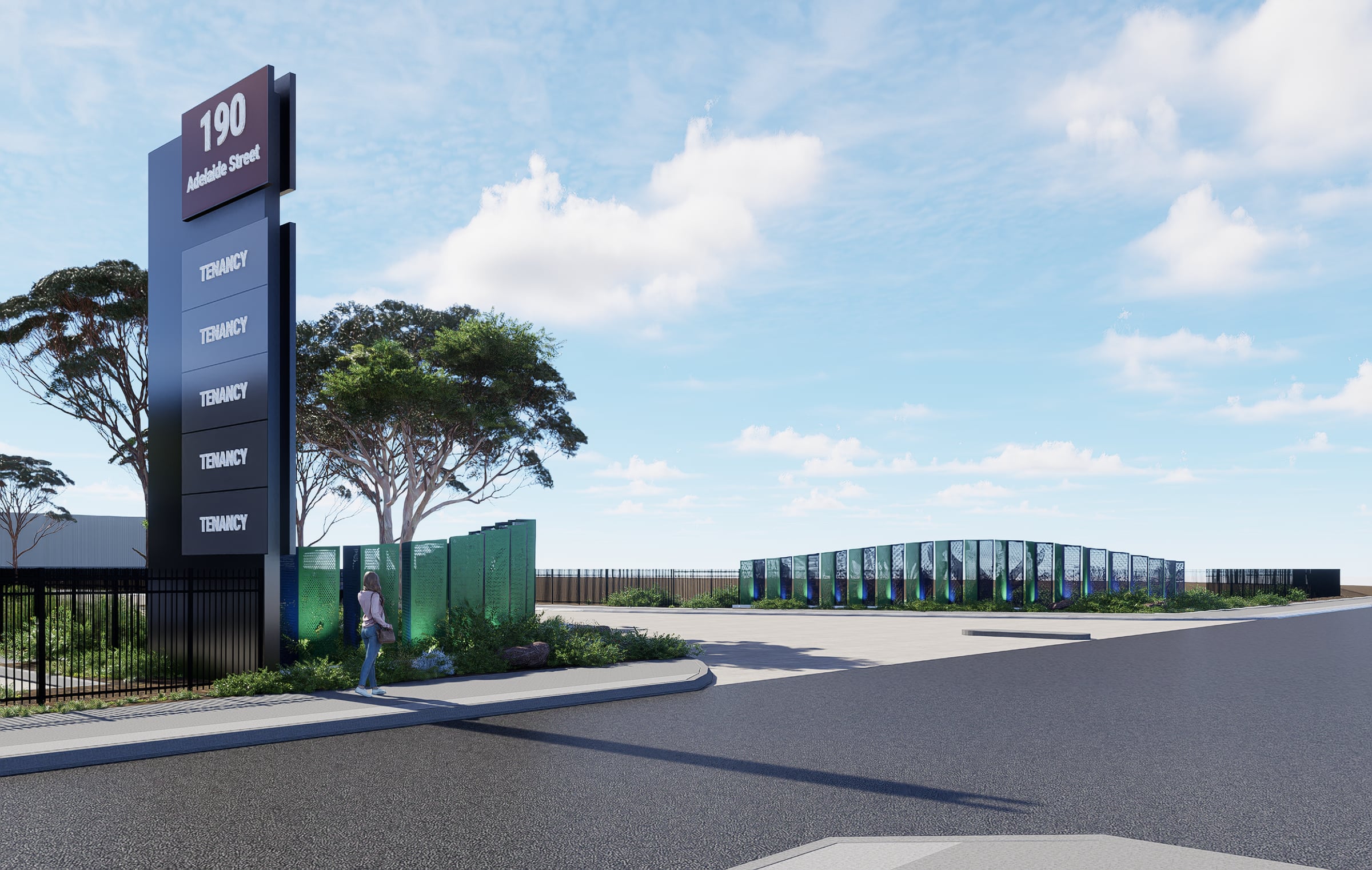
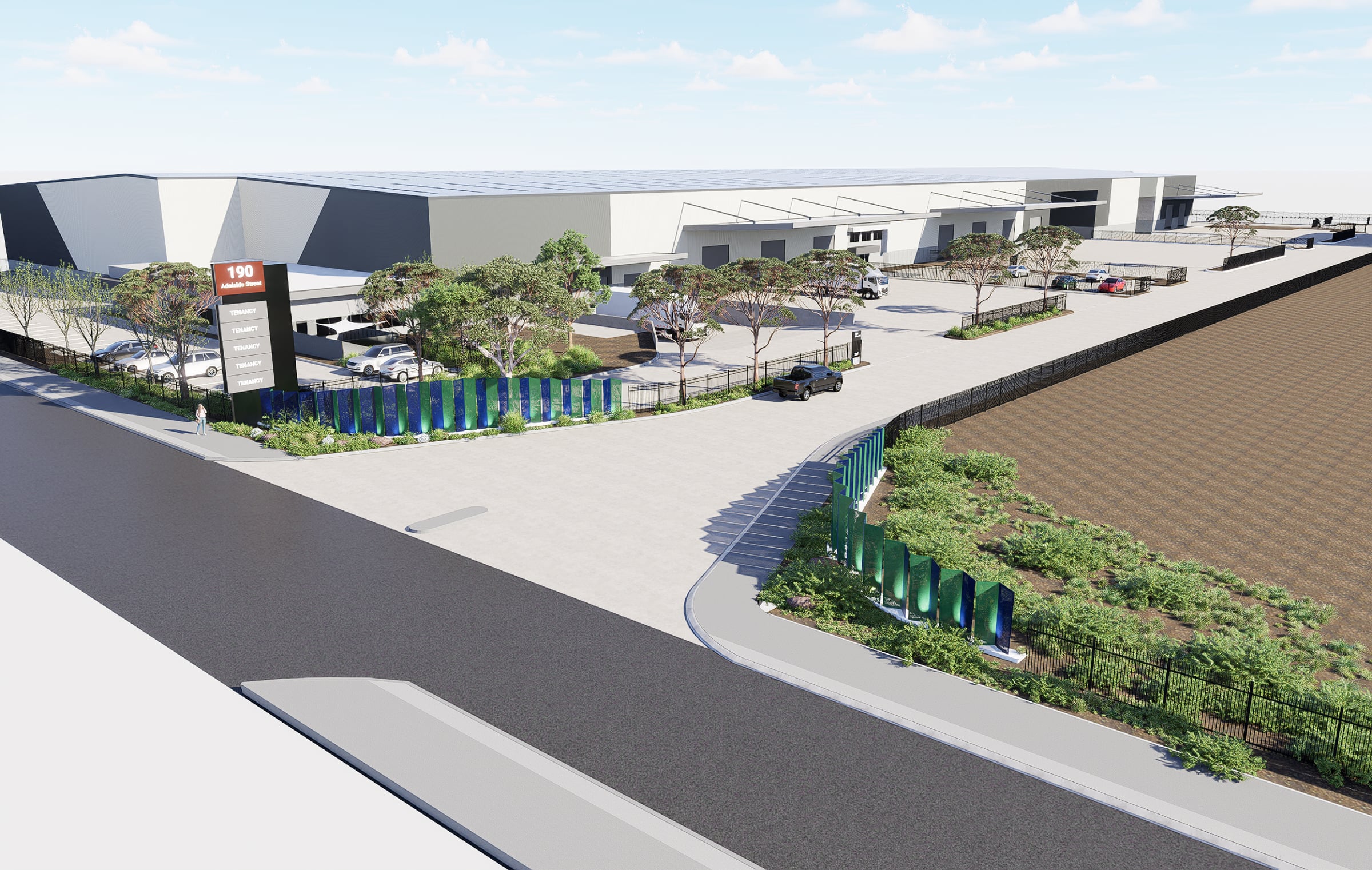
Duality stands on a line most people never notice: the boundary between the City of Swan and the City of Kalamunda. The entry statement for Lot 189/190 Adelaide Street occupies that threshold as a sweeping, zig-zag pleated screen of perforated steel, an artwork with two faces that can never be seen at once, made for a site that belongs to two places at the same time.
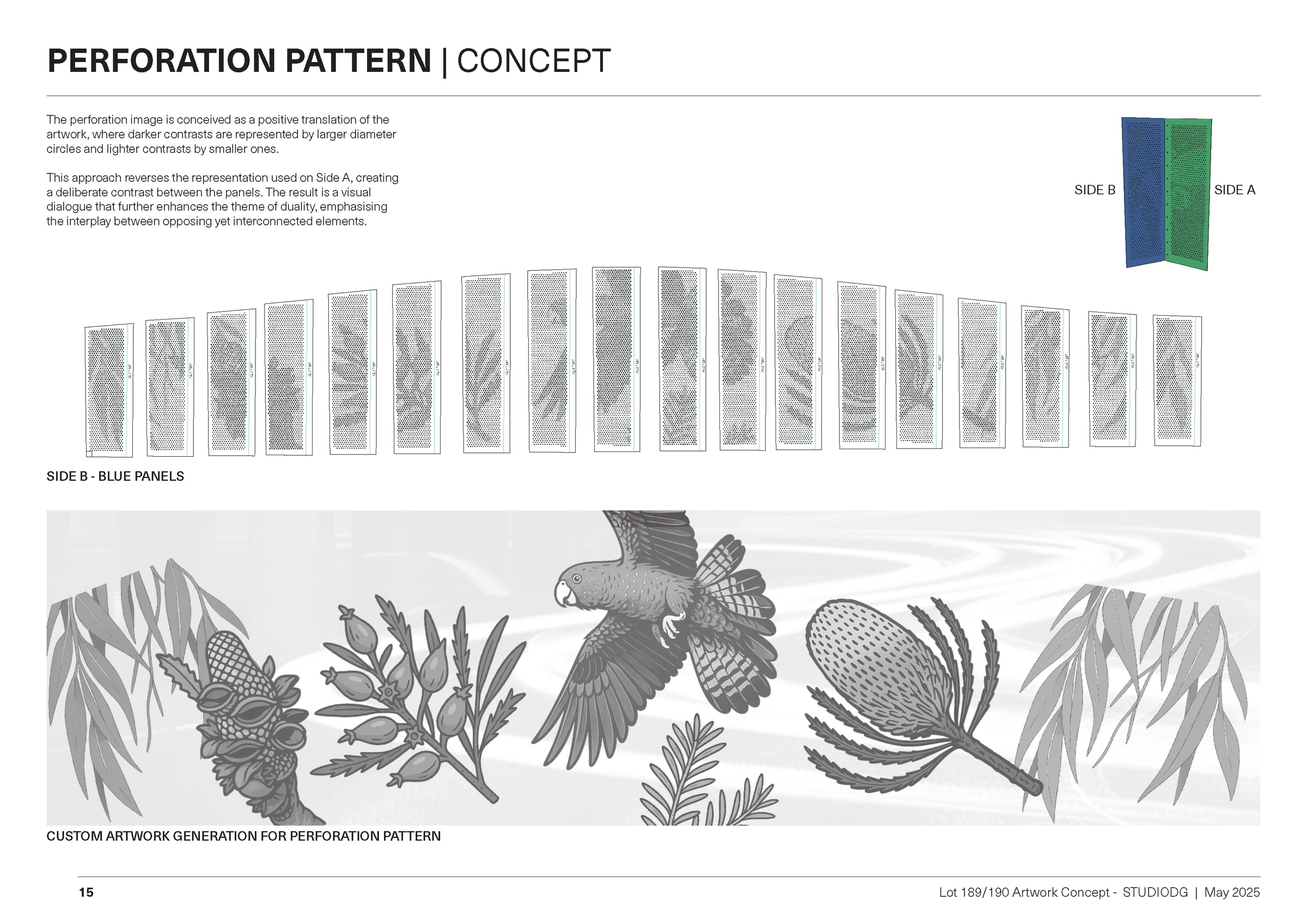
The concept begins with what borders cannot contain. Lines on a map define governance, but they do not limit the flow of biodiversity, nor the movement of people, language and culture. Here the Swan Coastal Plain rises into the Darling Scarp, two ecologies joined by corridors of bushland, shared creeks and bird flight paths, and the locals cross the boundary daily without papers: Carnaby's Black-Cockatoo, the quenda, the marri and jarrah whose roots ignore the survey line. Duality celebrates this shared ground, a subtle interweaving of ecosystems, communities and stories, between land and language, bush and suburb, tradition and tomorrow, blurring the hard lines that borders imply.
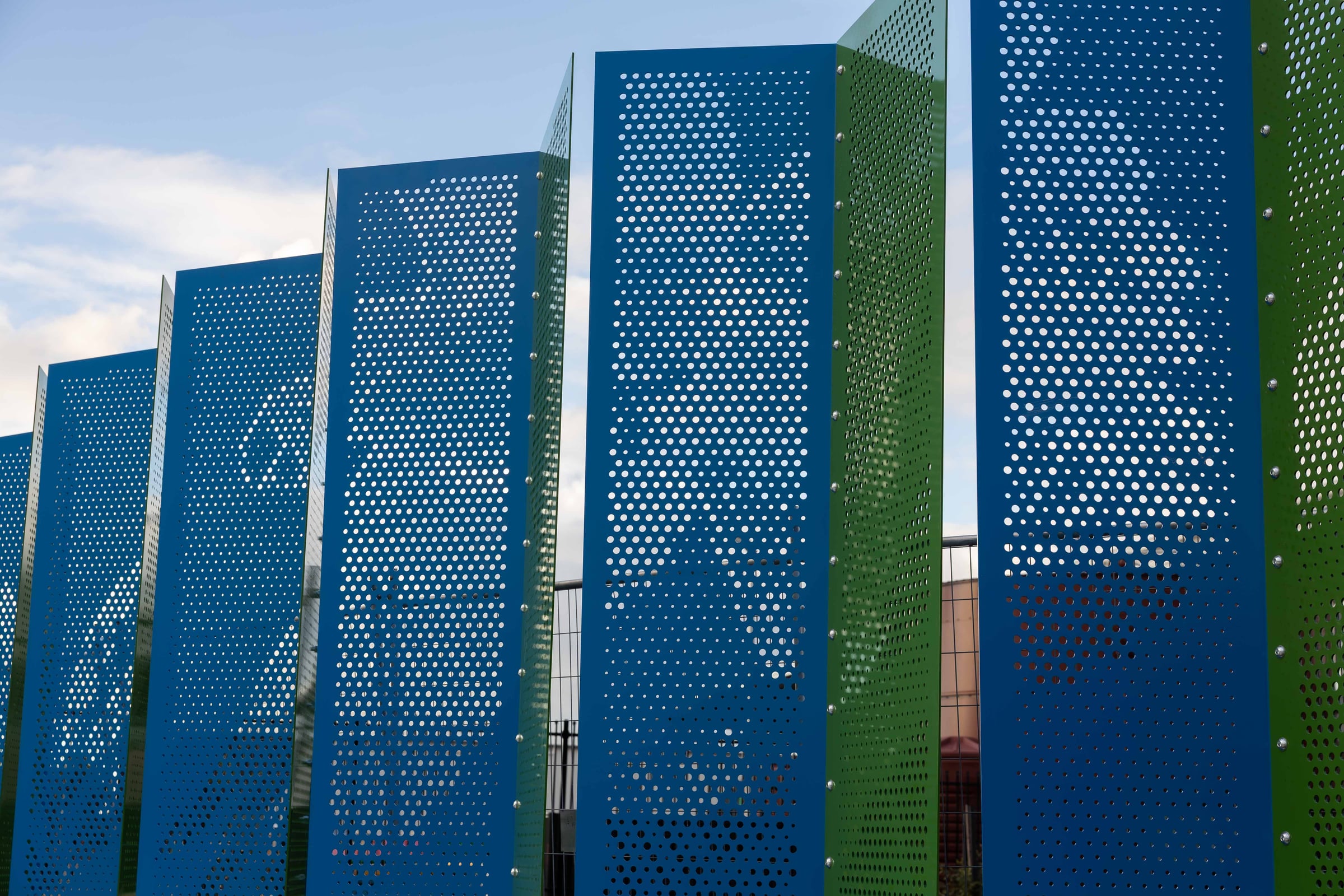
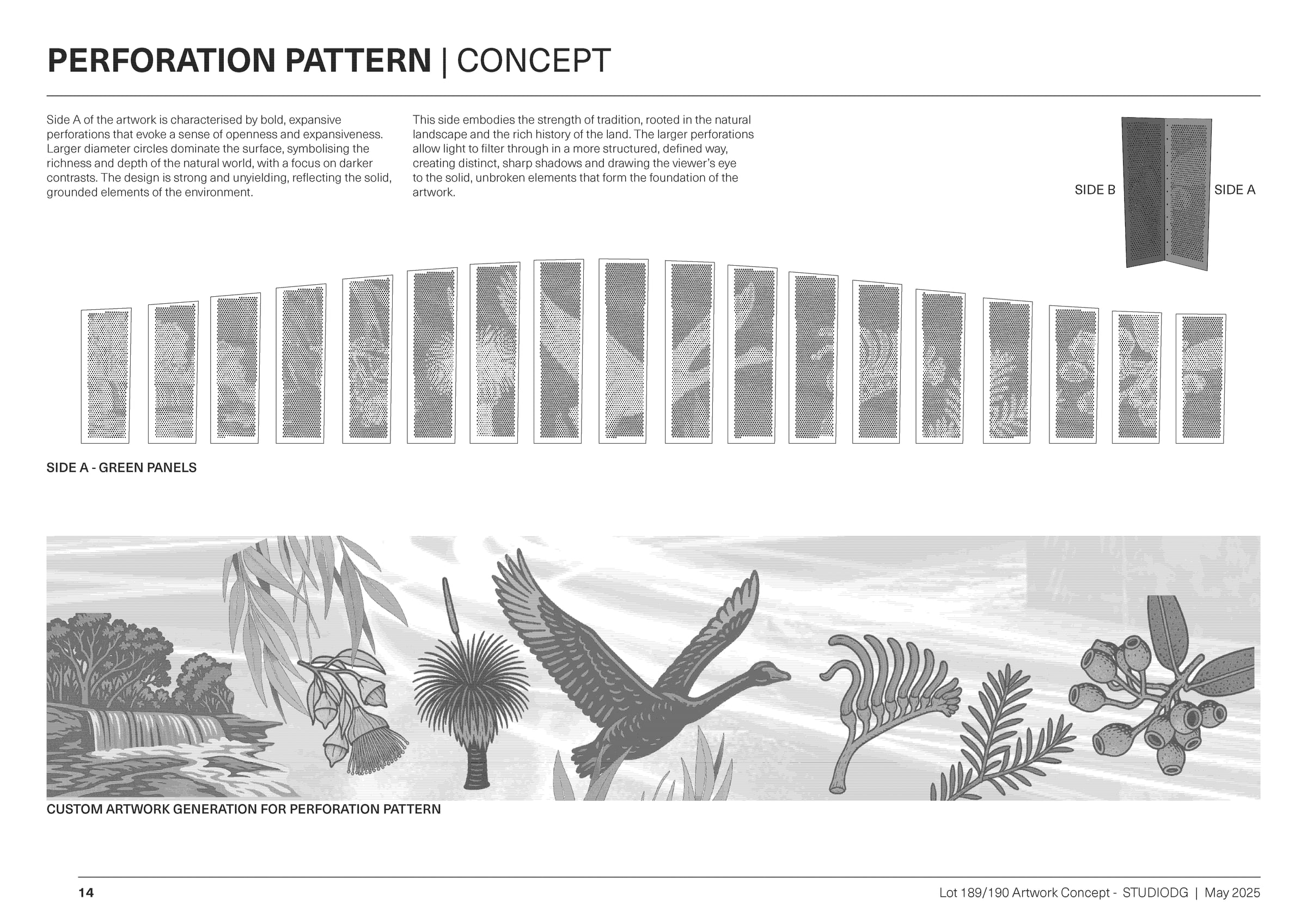
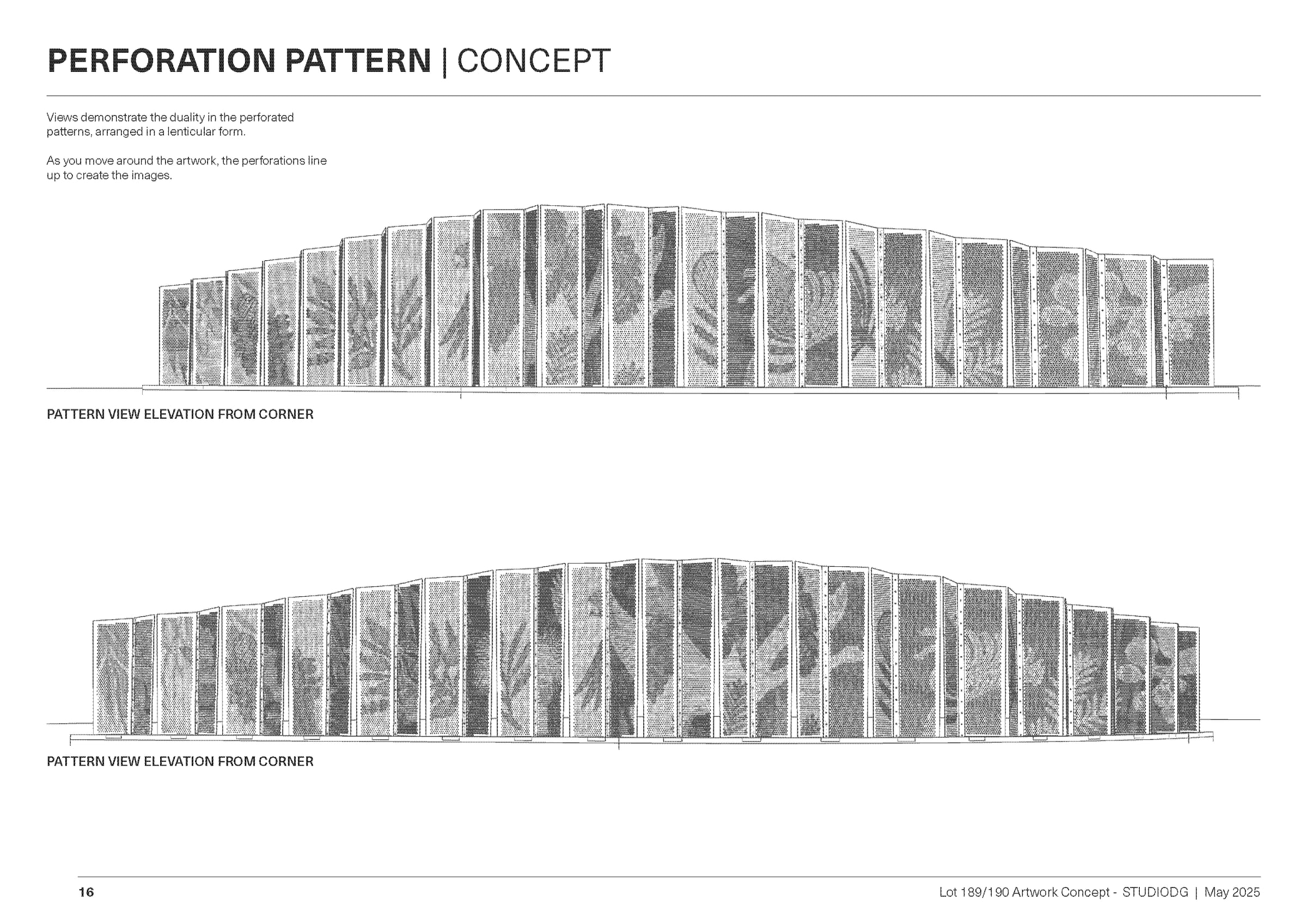
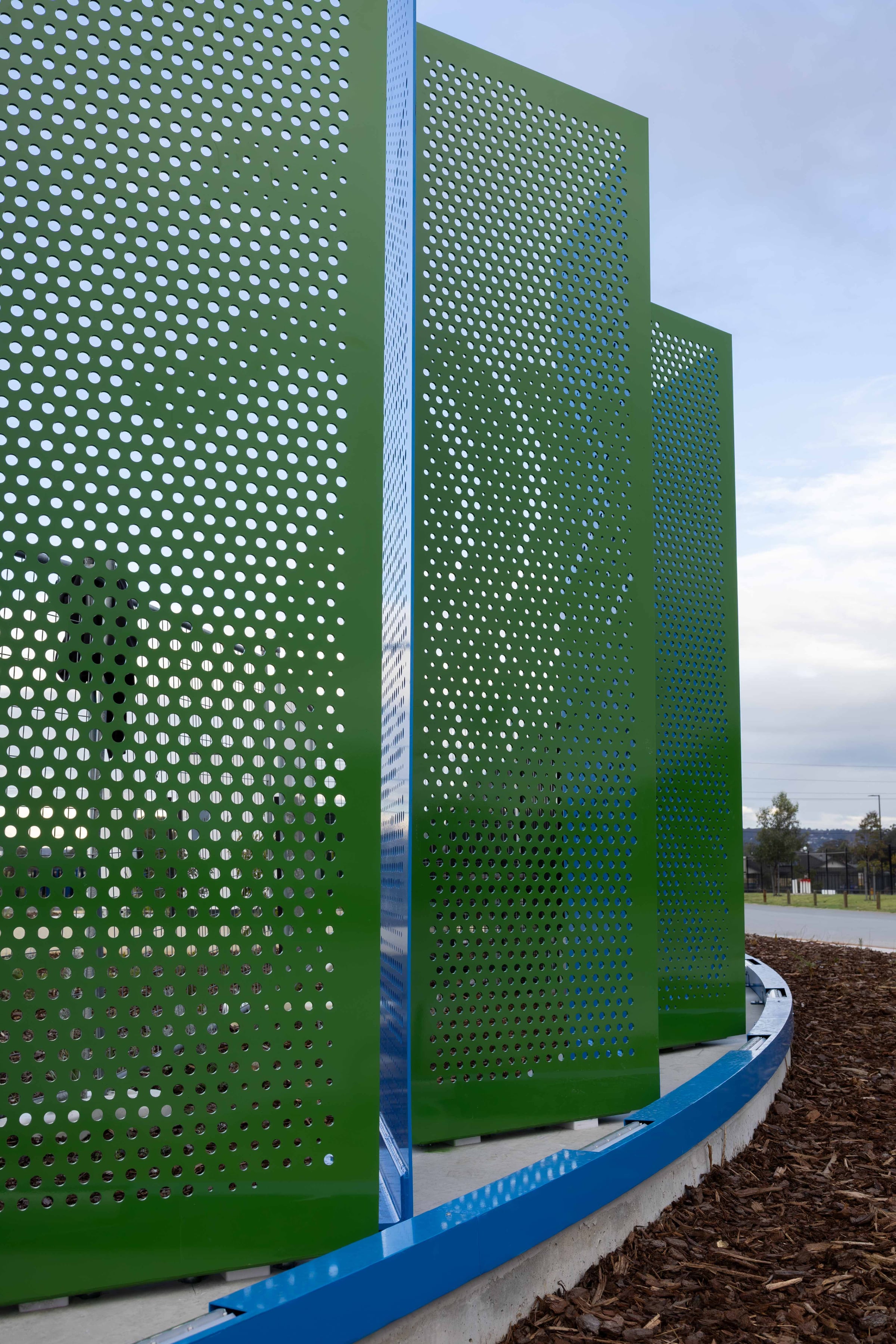
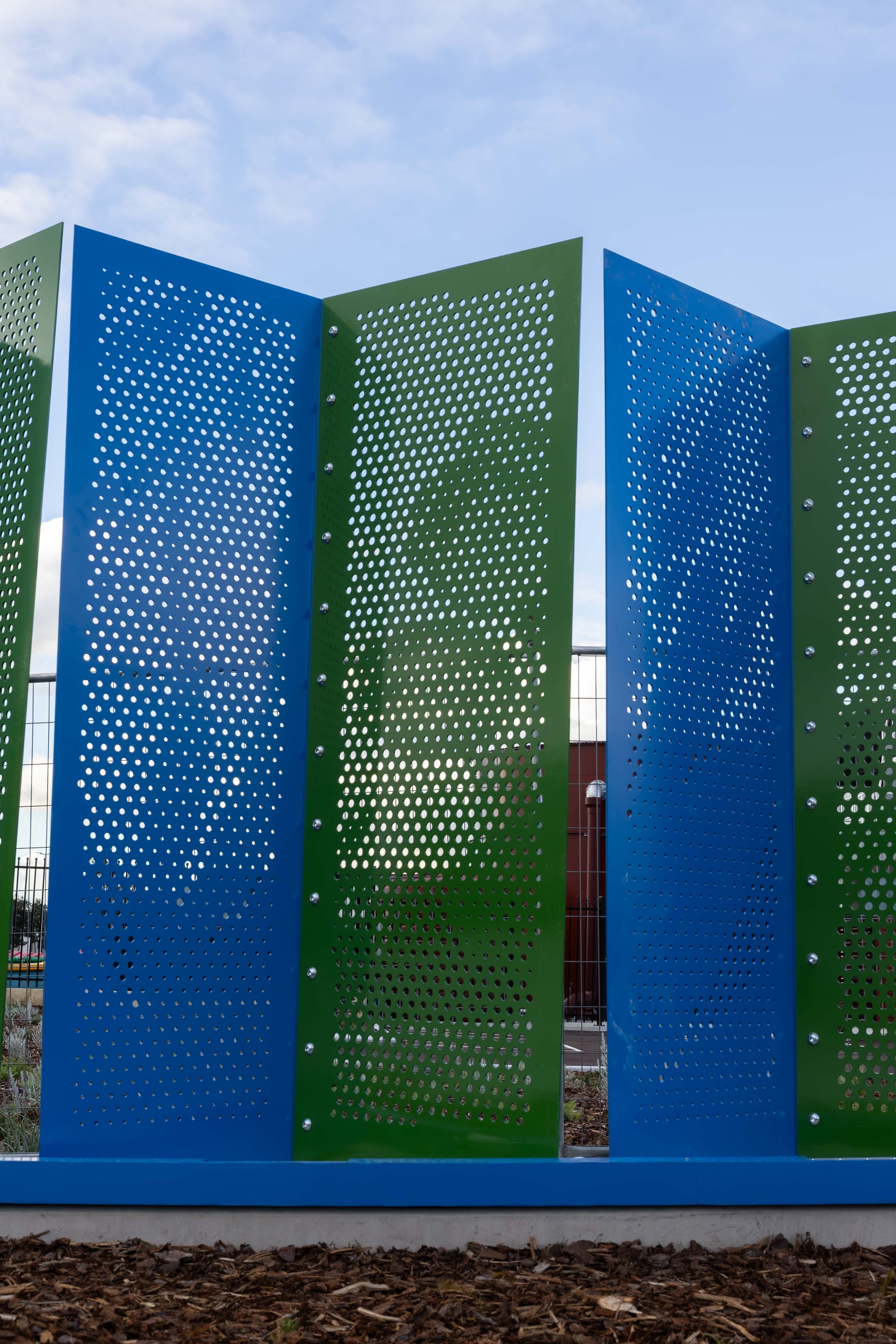

The pleated form turns that idea into an experience. Each fold of the screen carries two panel faces angled in opposite directions, and the two sides hold two different artworks. Side A, in greens, is bold and grounded: large, expansive perforations with dark contrasts, structured light and sharp shadows, the strength of tradition rooted in the natural landscape. Side B, in blues, translates the same imagery in reverse, its tonal logic flipped so that what was dark reads light, a deliberate counterpoint. Arranged lenticularly, the perforations align into whole images only as you move: approach from Kalamunda and one work assembles itself; approach from Swan and another appears; stand at the boundary and the two hold each other in tension. It is a metaphor made mechanical, seeing different truths from different angles, and like the gateway series it completes, it is composed for motion, resolving and dissolving at driving pace along Adelaide Street.
The same doubling honours the human landscape. The City of Swan is a richly multicultural community, its diversity mirroring the natural duality of the land: diverse yet interconnected, layered and evolving. A single screen holding two images, both true, neither complete without movement between them, is as close as steel comes to describing how identities flow across borders.
The work is built for its industrial setting: custom pressed and perforated steel panels, powdercoated in the green and blue of scarp and plain, fabricated and installed by Kilmore Group on piled footings, with the perforation pattern generated computationally from source imagery of the region's flora and fauna. After dark, colour-changing wall grazing fixtures developed with Light Application wash the pleats from below, tested in physical mock-up, so the two faces keep their dialogue going through the night.
Duality is the third of the artworks threading along the Stirling Crescent corridor for Hesperia, following Rippling Redtails and the Lindsay Transport screen: a distributed gateway between two cities, arriving at last at the borderline itself, where it stands not as a wall but as a welcome, marking the place where two identities meet and finding that they were never really separate at all.
Watch the concept.