If you are delivering a building project in Western Australia, there is a fair chance a percent for art condition is sitting somewhere in your approvals. This post explains what the condition is, where it comes from, and how to meet it without treating it as a tax.
Where the condition comes from
WA has run a Percent for Art Scheme for state government buildings since 1989. New public buildings with a construction budget over $2 million, such as schools, hospitals and police stations, allocate up to one percent of that budget to commissioning artwork as part of the project. The scheme is run by the Department of Housing and Works in partnership with the Department of Local Government, Sport and Cultural Industries.
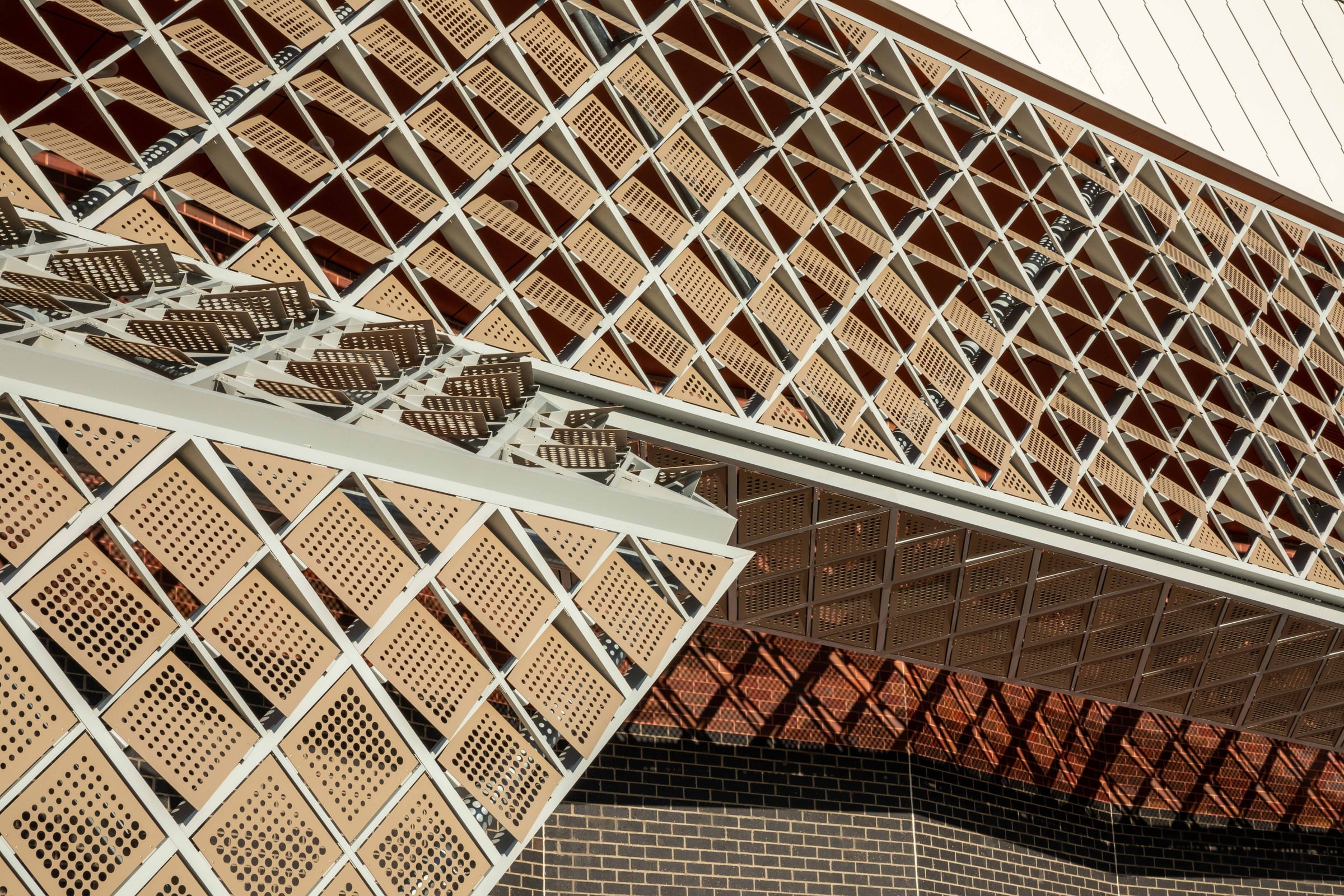
Local governments followed. Many WA councils now apply public art requirements to private developments above a value threshold, usually through a planning condition at DA stage. The thresholds, percentages and approval processes vary council by council, so the first practical step on any project is to read your specific condition and the council's public art policy behind it.
Some councils also offer a cash-in-lieu option, where the contribution goes to a council art fund instead of an artwork on your site. It is worth understanding the trade before you take it. Cash-in-lieu is simple, but it sends your money off site. A commissioned artwork keeps the value within your development.
What the condition actually requires
The wording differs, but most conditions ask for a familiar set of things:
- An artist who meets the council's definition of a professional practising artist
- A public art concept approved by the council, often via an advisory panel
- The artwork delivered and installed before occupancy
- Documentation for the council's records, sometimes including a maintenance plan
None of this is difficult. What makes it feel difficult is sequencing. If the condition is discovered late, the artwork has to be squeezed into a finished design and a committed budget, and everyone involved can tell.
How to meet it well
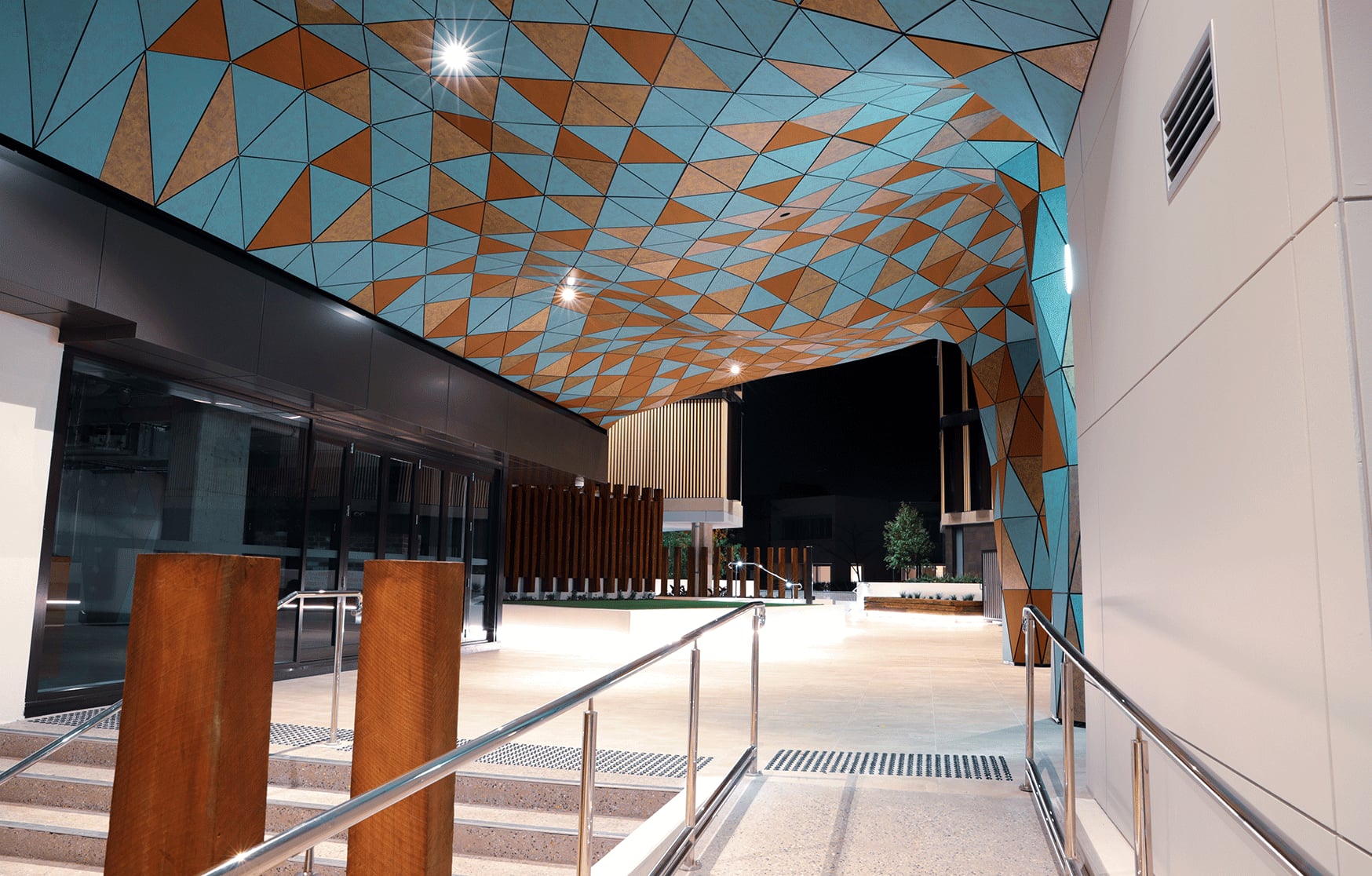
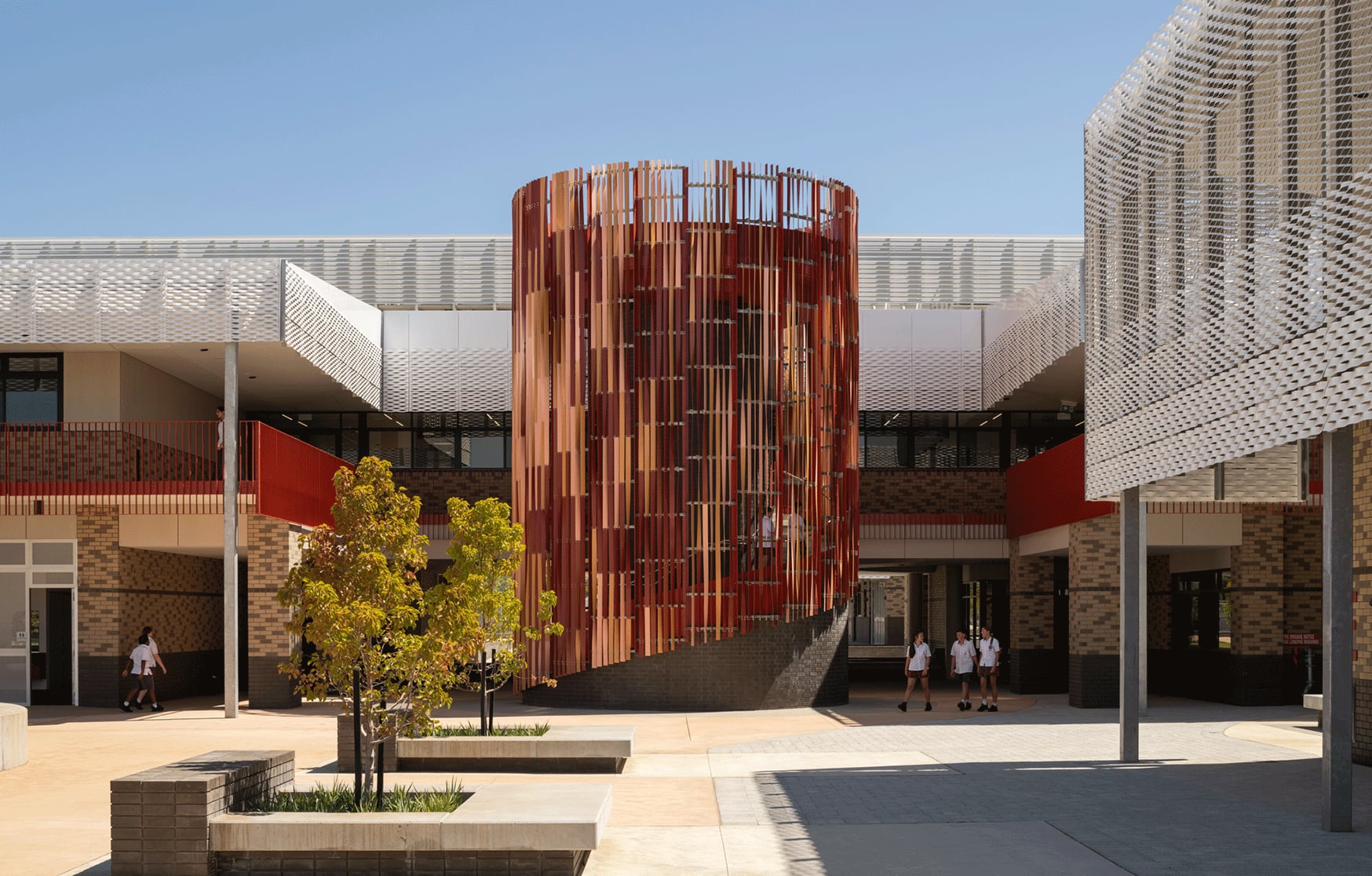
The projects where percent for art produces something genuinely good share one habit: the artist is brought in early and treated as part of the design team, not as a supplier who arrives once the drawings are done. The best time is masterplan or early design, while the architect, landscape architect, engineers and services consultants are still working out what the building is. Seated at that table, the artist can see where the project is already spending money, on a facade, a screen, an entry canopy, a soffit, a wall of brickwork, and propose that the artwork become one of those elements rather than an extra placed beside them.
That changes what the budget buys. When the art is one of the trade packages, the structure, fixings, lighting and access are coordinated with everyone else's work instead of retrofitted around it. Engineers certify one thing, not two. The builder programs it like any other package. The art budget goes into design, material and craft, because the project is already paying for the substrate the artwork lives on.
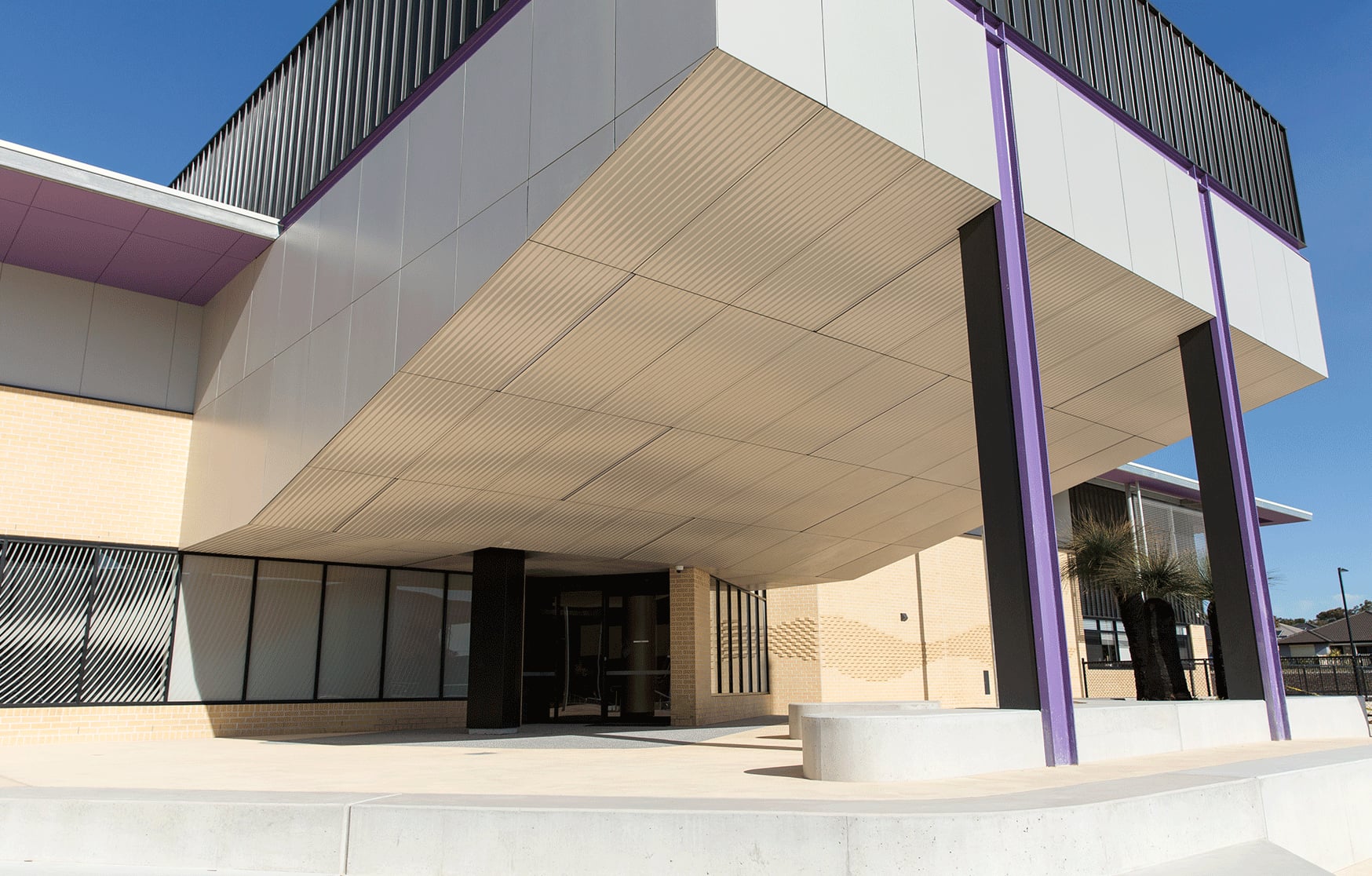
It also produces a more cohesive building. An artwork developed alongside the architecture picks up its proportions, materials and setting out, and the two read as a single idea. Compare that with a sculpture chosen from a catalogue after practical completion and placed wherever there is still room. Selection panels can tell the difference, and so can the public.
Practically, this means naming the artist in the consultant team, giving them the same drawings and meeting invitations the other consultants get, and letting the concept develop in step with the design rather than in isolation from it. The condition is met either way. Only one of those routes leaves you with a building people remember.
What StudioDG does
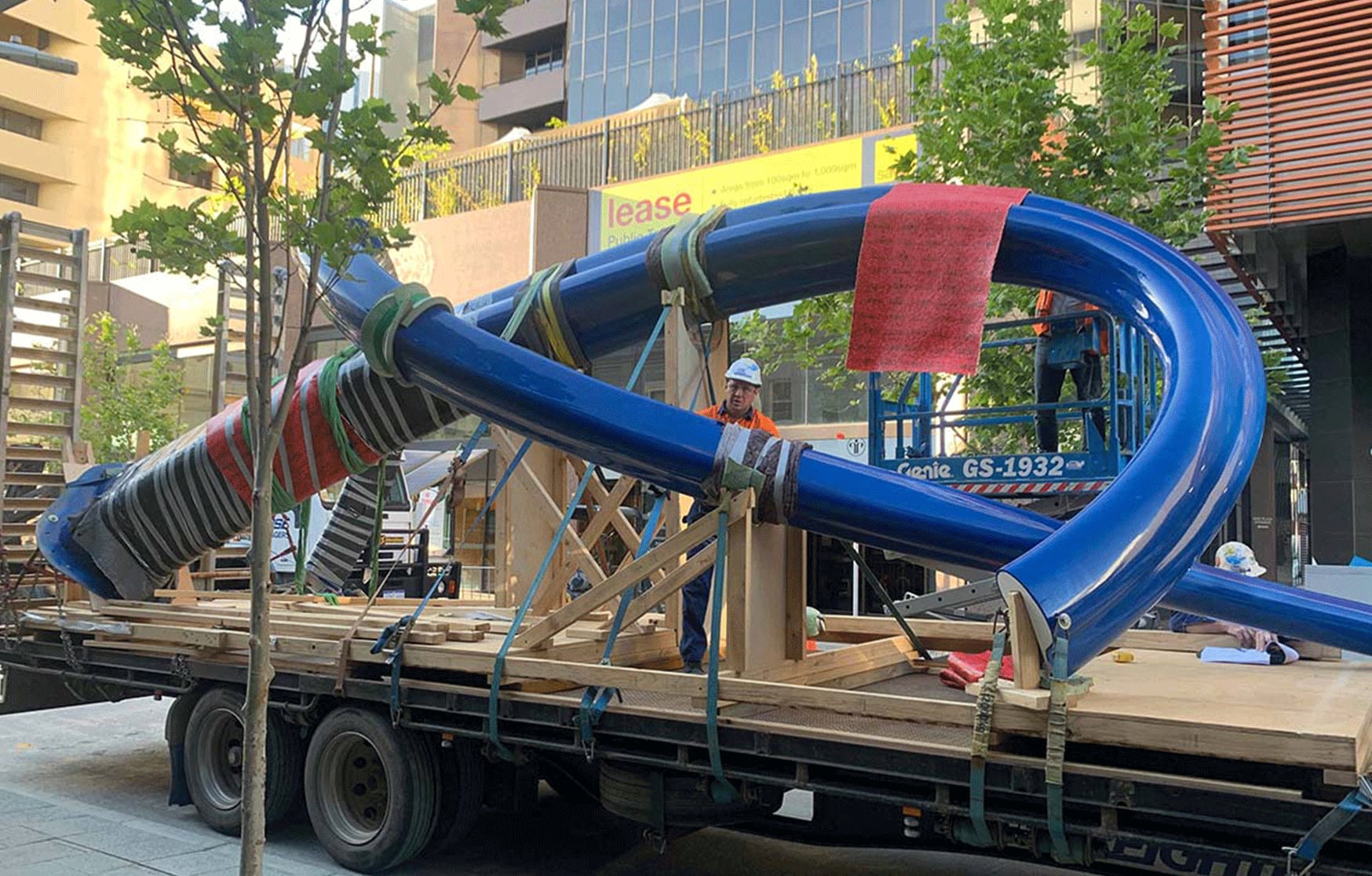
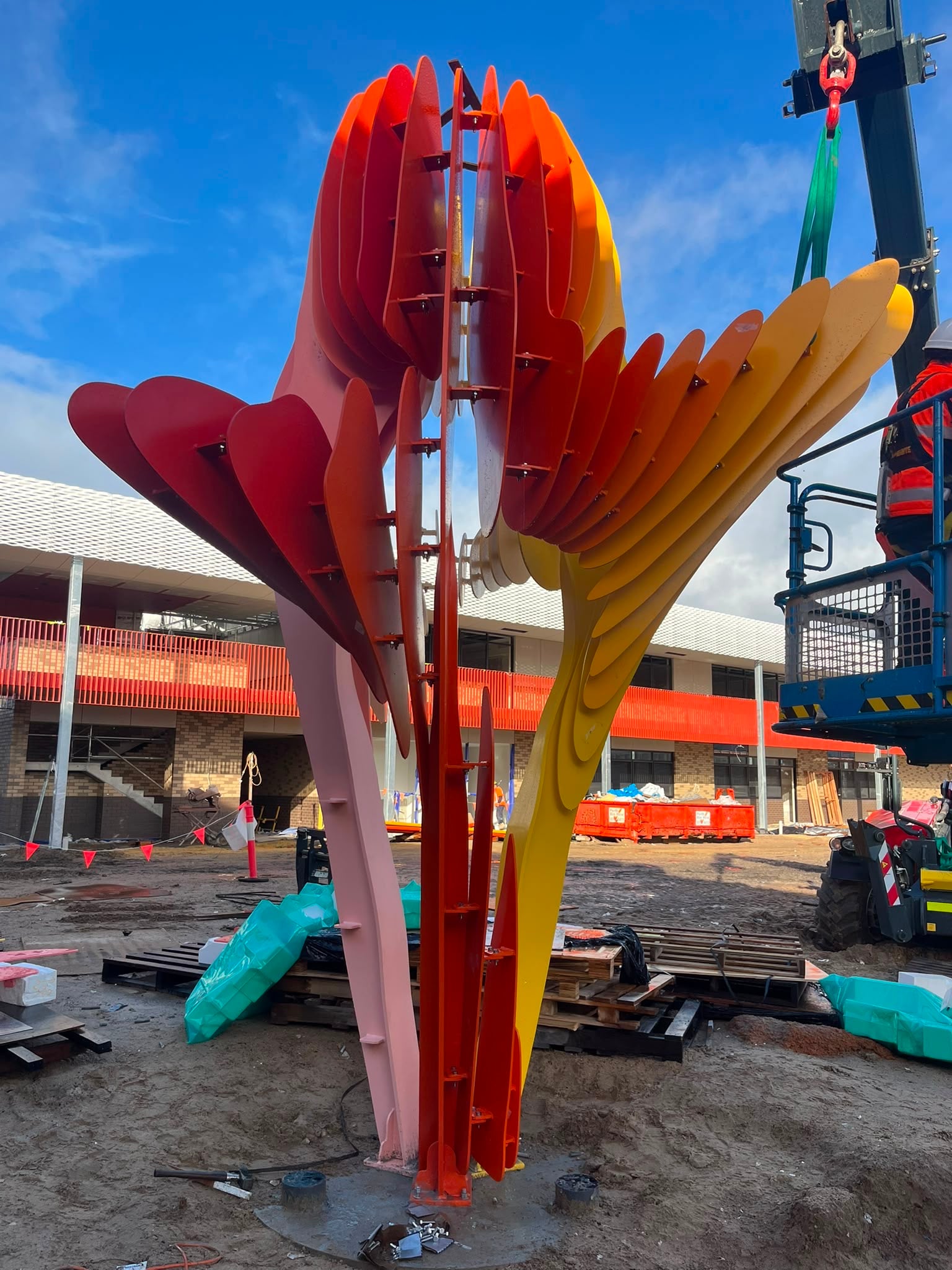
StudioDG delivers the full percent for art scope: a registered practising artist, concept development, coordinator and council liaison, fabrication through WA fabricators, and every document the condition requires, through to certification and handover. Recent examples across Perth and WA include integrated facades, entry statements and freestanding works delivered inside live construction programs.
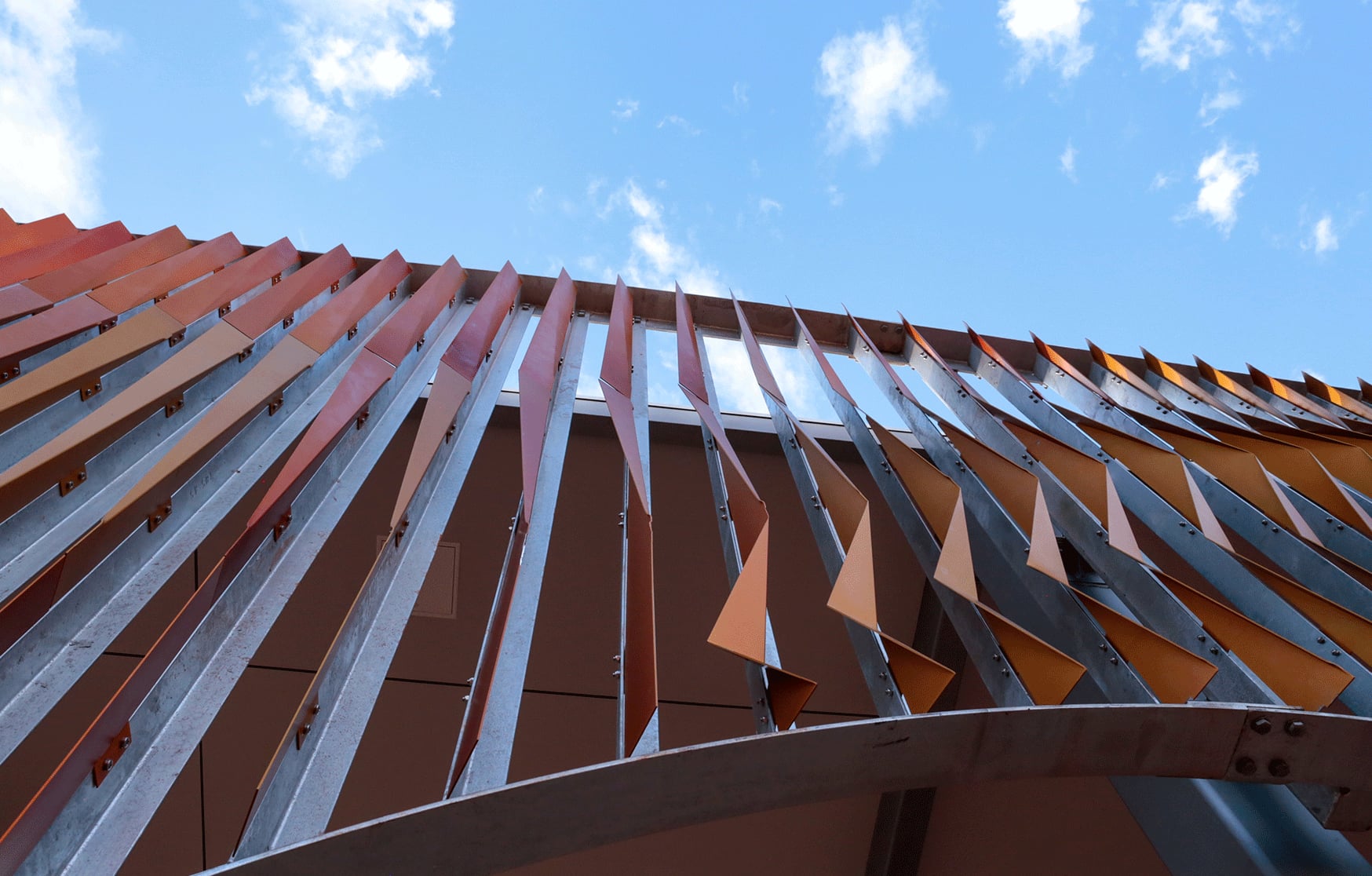
If a condition has just landed on your project, the most useful thing you can do is talk to an artist before the design locks. That conversation costs nothing and usually saves the budget.
See recent commissions in the work index, or get in touch with the condition in hand.