If your development carries a percent for art condition, there is a fair chance the council's policy offers you a choice: commission an artwork on your site, or pay an equivalent amount into the council's public art fund. The second option is called cash in lieu, and it is worth understanding what each route actually gets you before you take it.
How cash in lieu works
Most Perth council policies set the contribution at around one percent of the estimated construction cost above a threshold, and allow the developer to satisfy it either by delivering an approved artwork or by paying the sum to the council. The City of Vincent, for example, invoices a one percent cash in lieu contribution at the time the building permit is lodged. The City of South Perth gives developers a choice between artwork on the site and a cash in lieu contribution to the City. The Town of East Fremantle pays cash in lieu into an arts and sculpture reserve. In every case the money goes into a fund the council spends on public art of its own choosing, on its own sites, on its own timetable.
The appeal is obvious. Cash in lieu is simple: one payment, one receipt, no artist, no panel, no coordination, no risk of the artwork holding up occupancy. For a developer who has discovered the condition late, with the design locked and the builder on site, it can look like the only sensible answer.
What the developer gives up
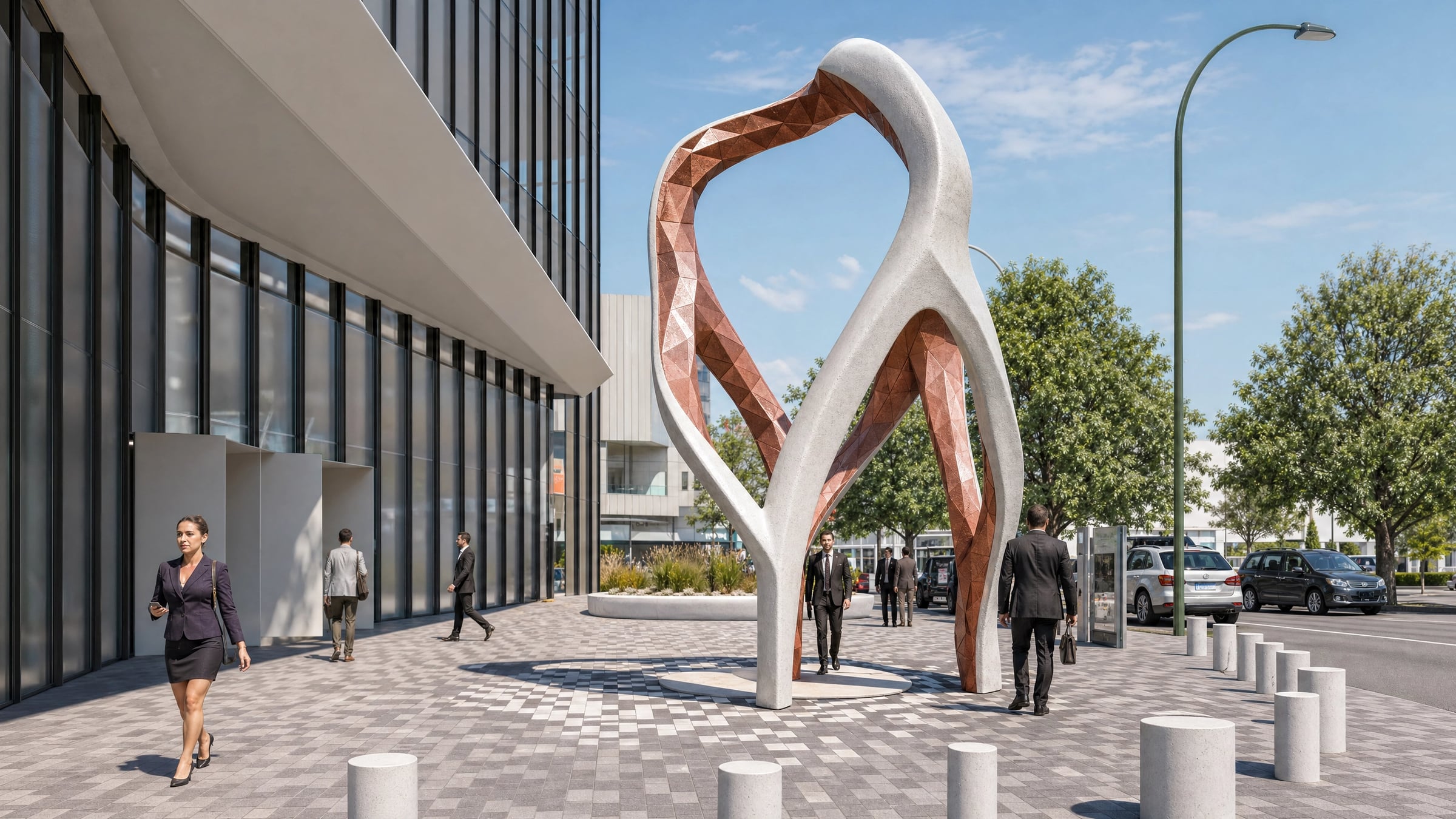
The money leaves the site. The most basic point. A commissioned artwork keeps the value of the contribution on your land, in your building, in the photographs of your development. A cash in lieu payment funds an artwork somewhere else, possibly years later, possibly in a park the other side of the suburb. Your project paid for public art and has none.
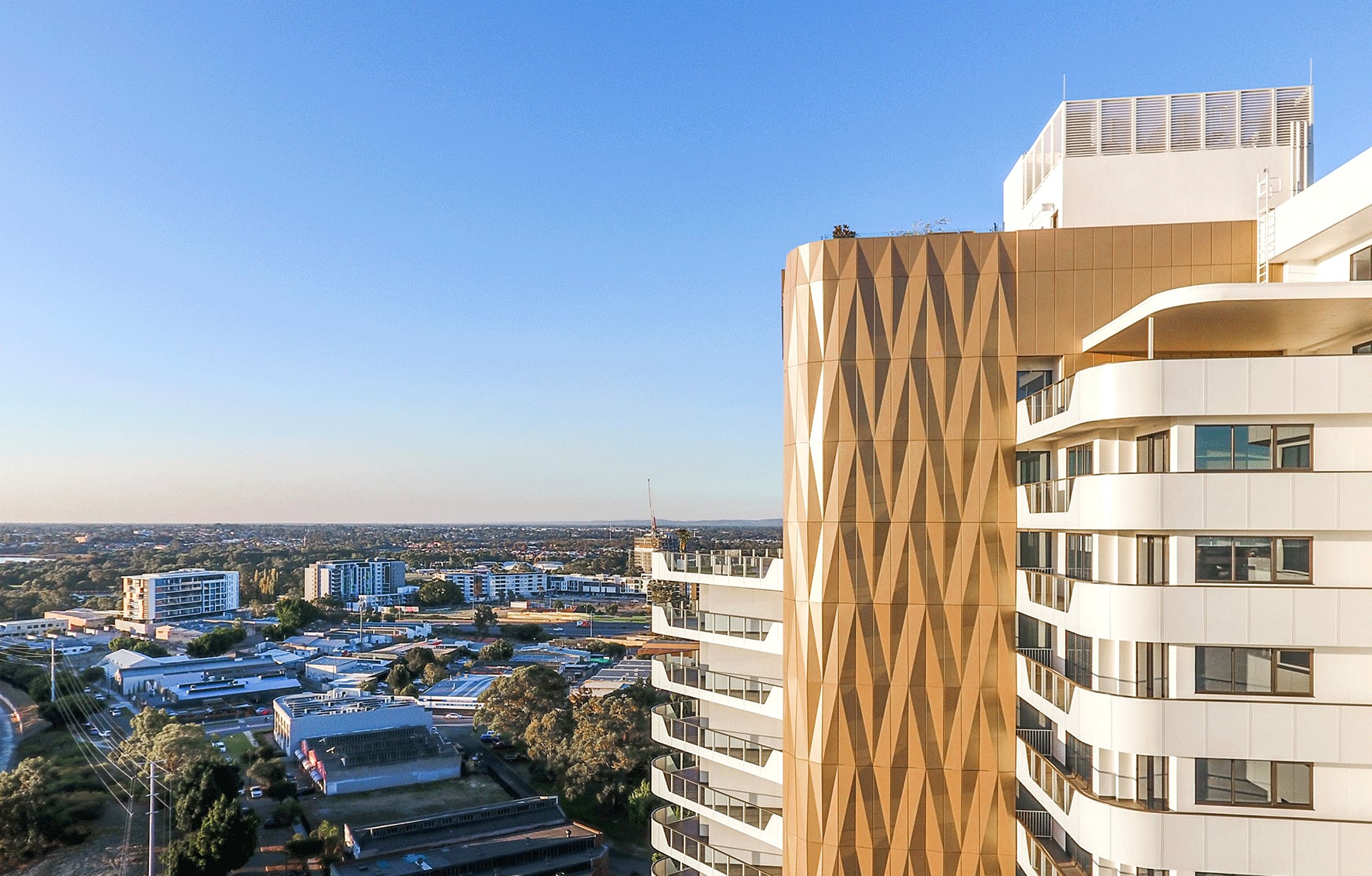
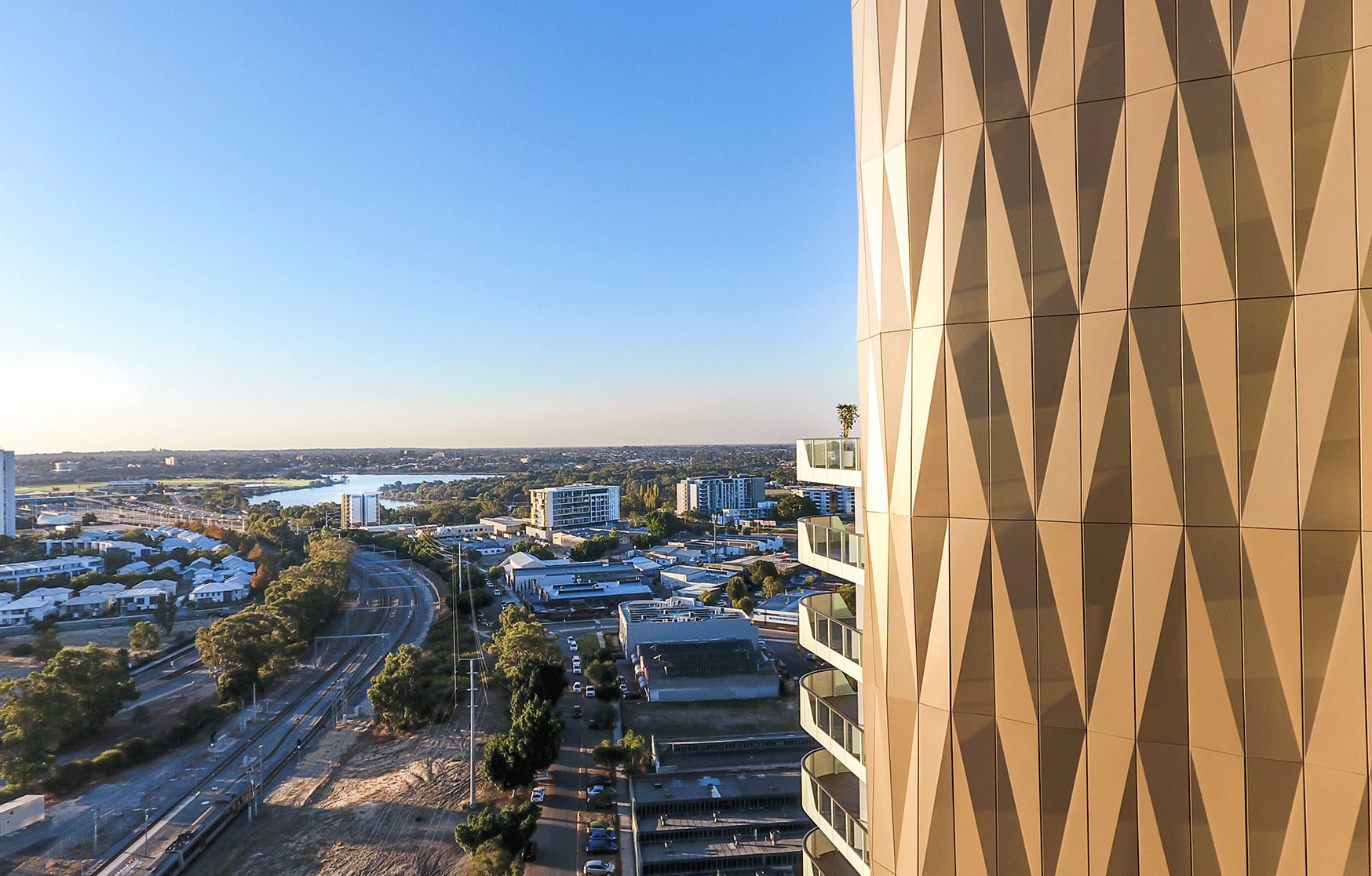
The marketing value goes with it. The artwork on a development is on the hoarding, in the renders, on the cover of the brochure and in the first paragraph of every listing. Folding Light gave The Crest at Burswood a facade that reads from the skyline to the footpath. The Precinct's lit facade on Canning Highway is how the building is known. An artwork is the cheapest distinctive thing a development can own.
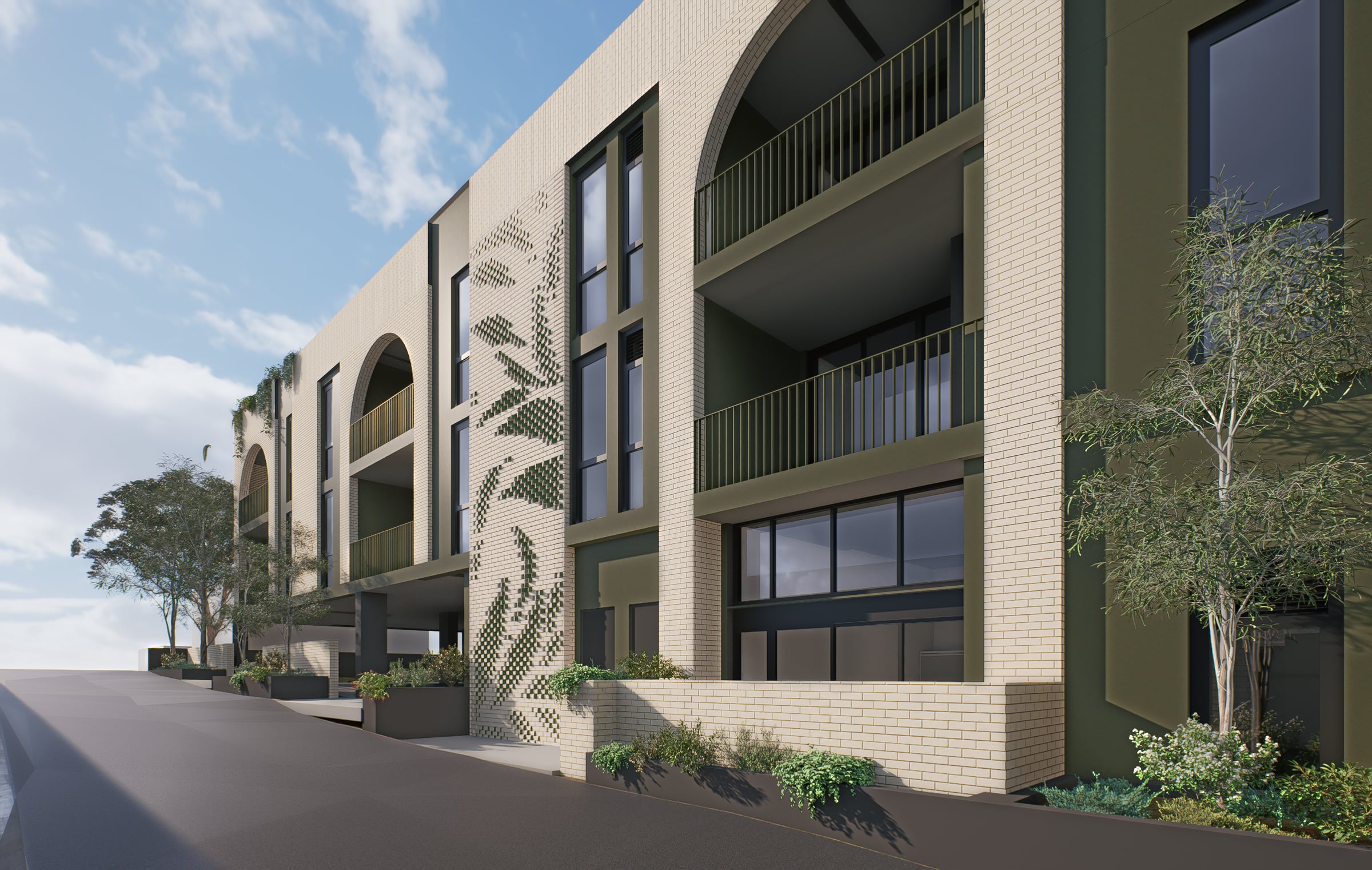
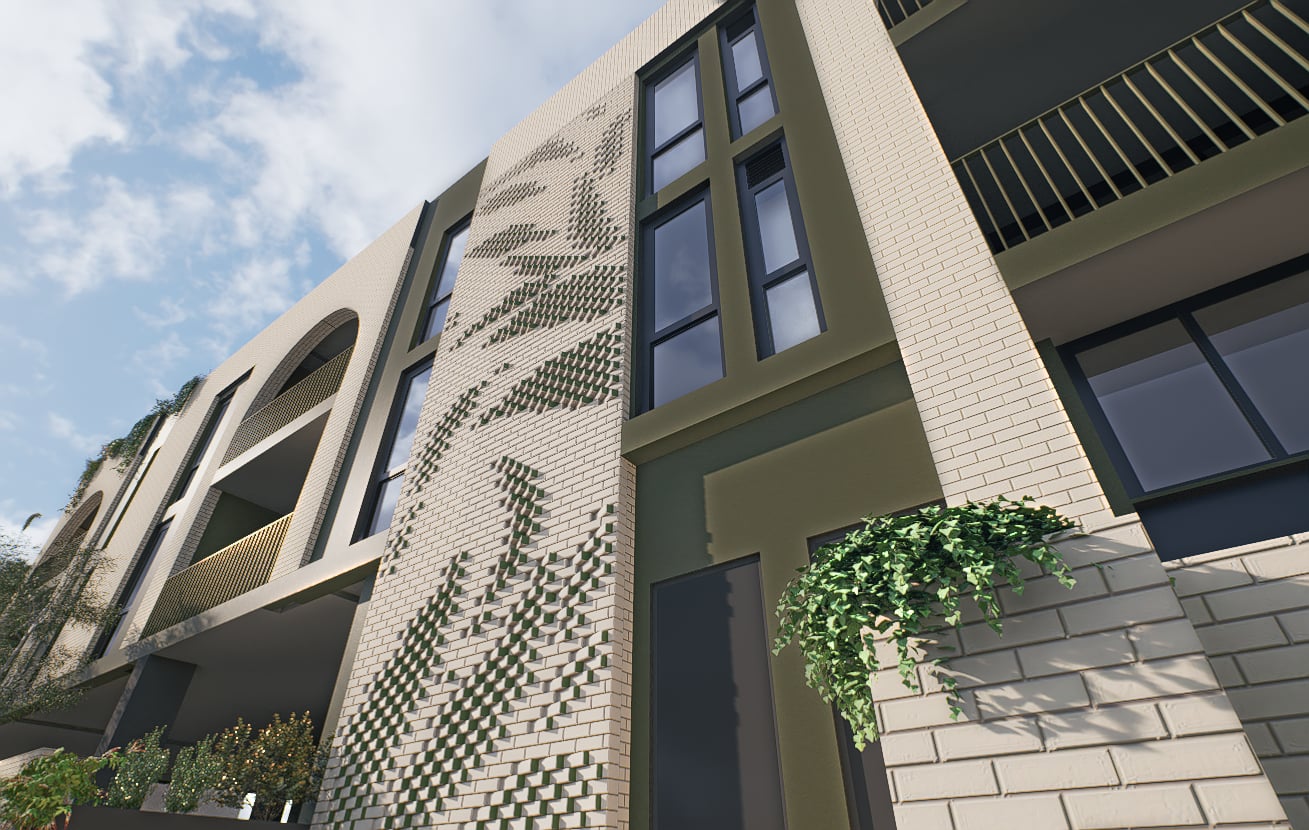
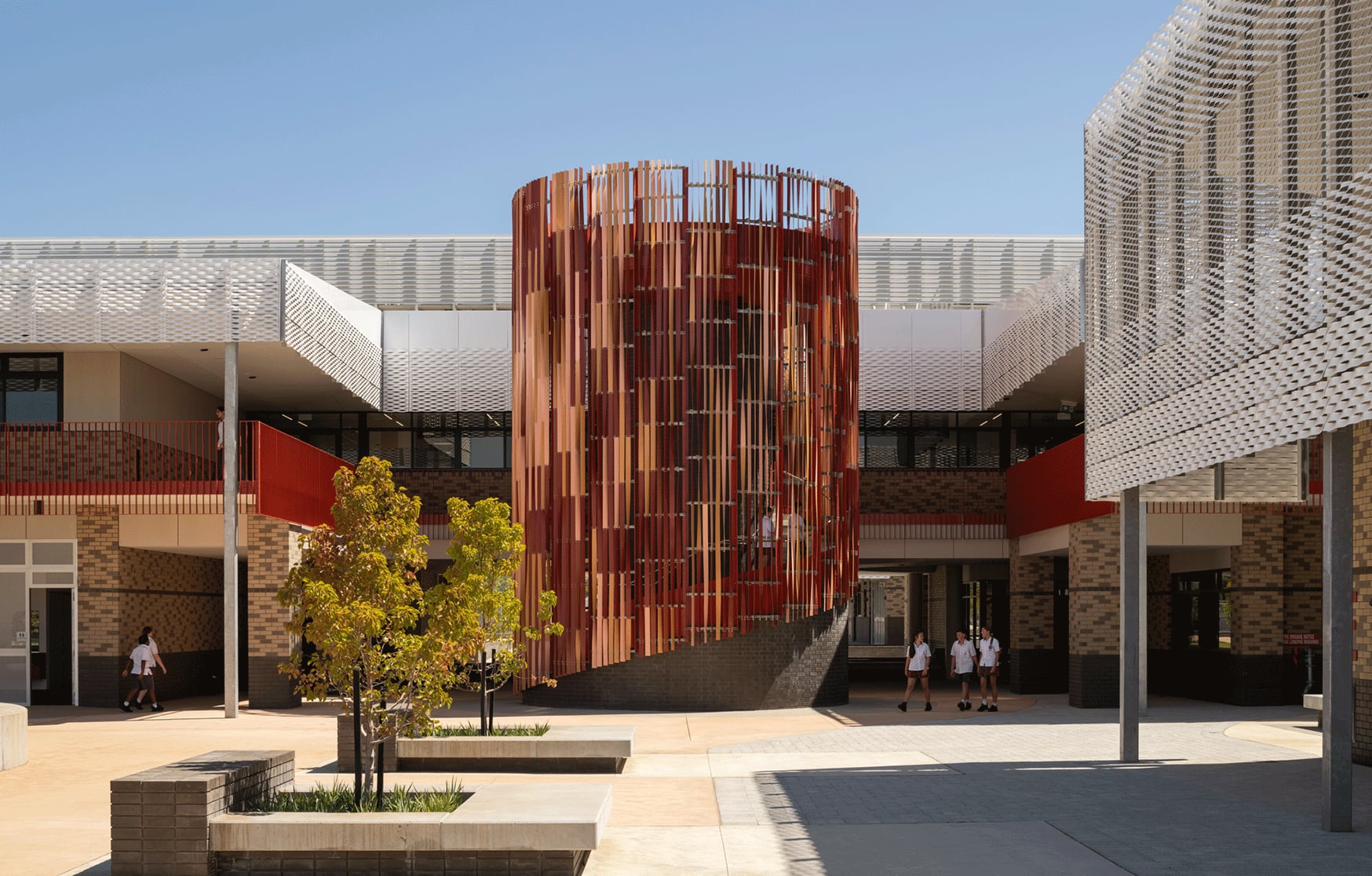
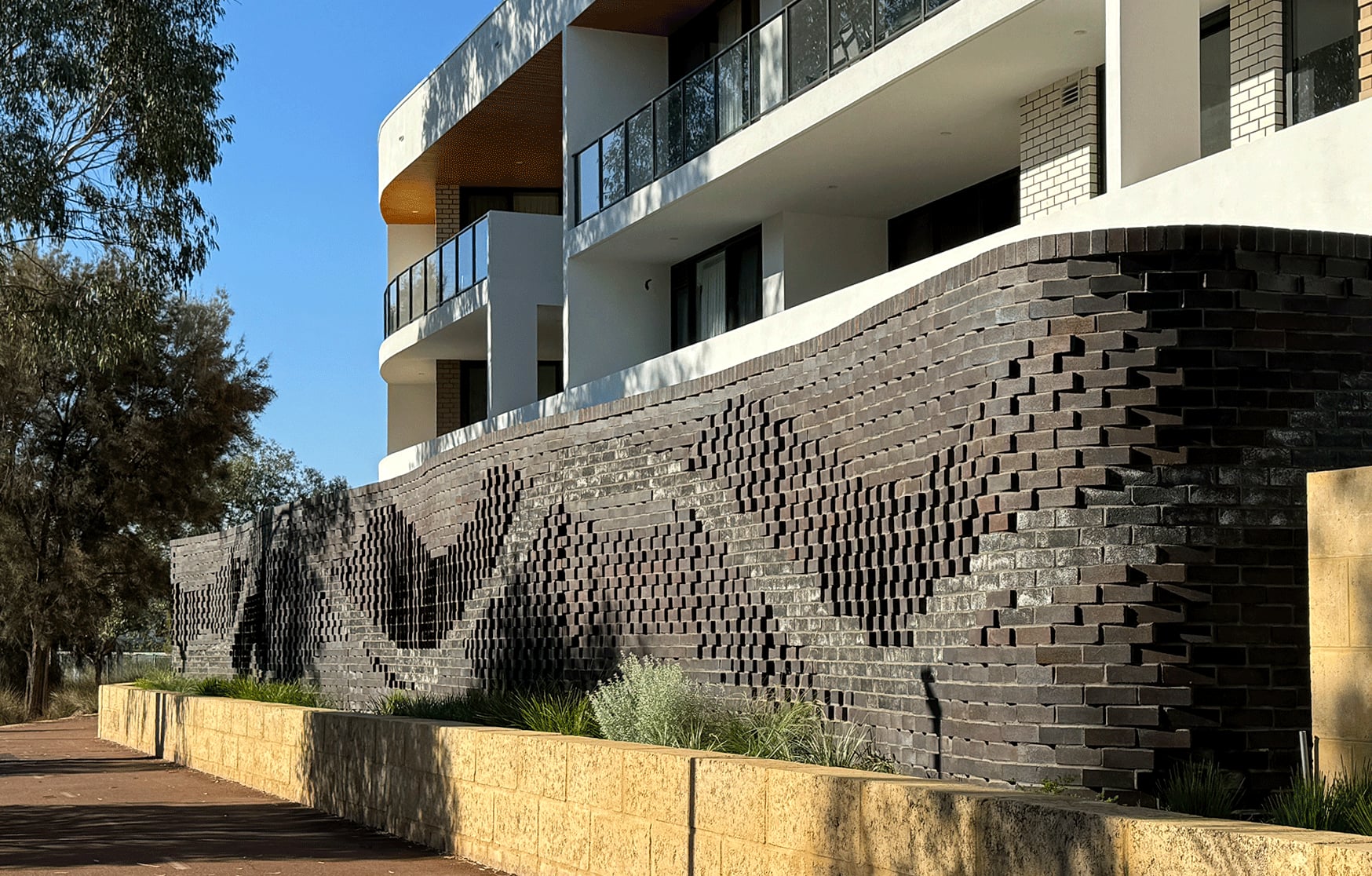
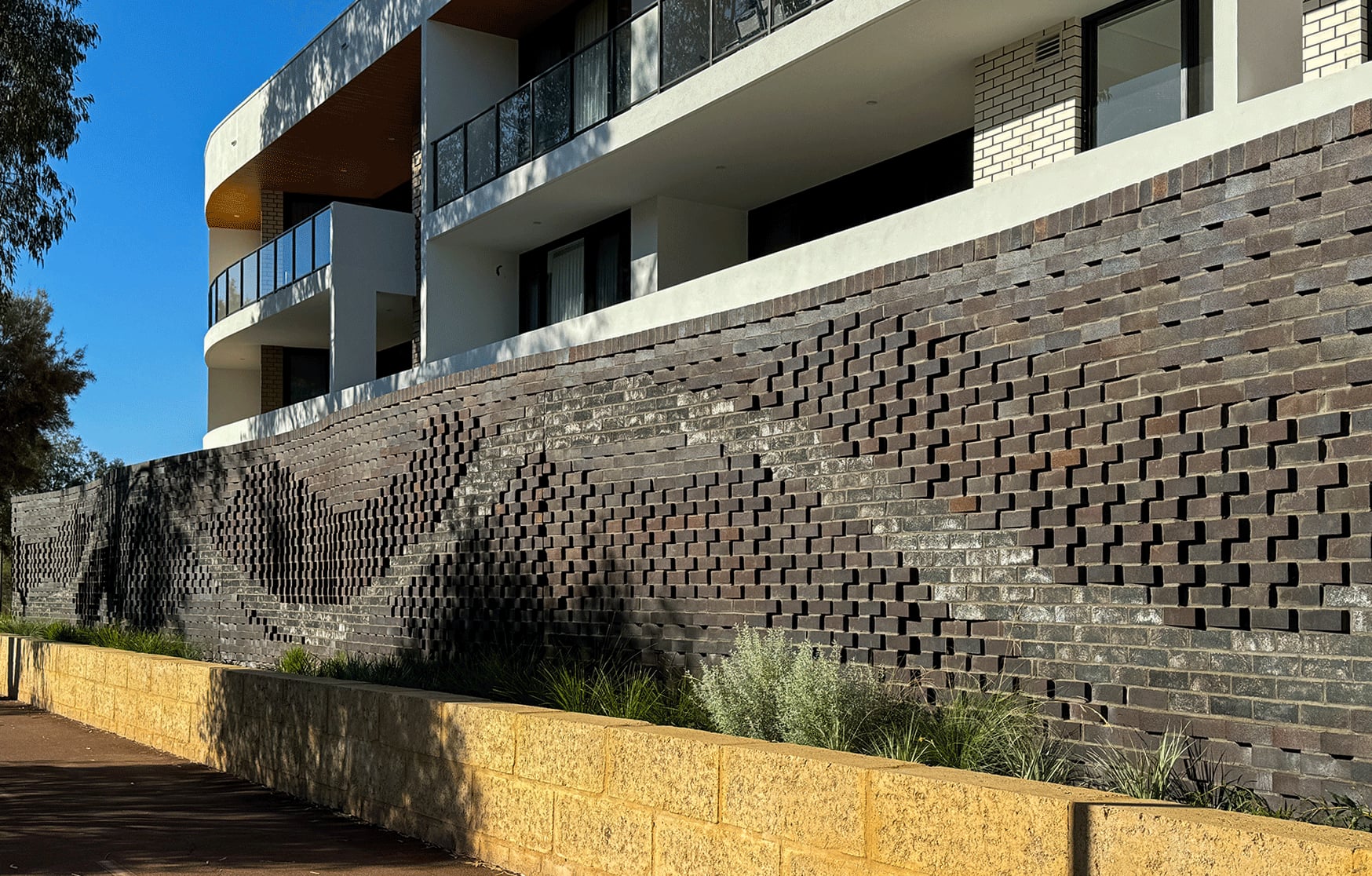
The building is less than it could be. When the artwork is integrated, a plain facade becomes a patterned one, a fence becomes a landmark, a wall of brick becomes a map. The construction budget was going to build those elements anyway; the art contribution upgrades them. Pay the money away and the building gets the plain version.
The design conversation never happens. An artist inside the consultant team early asks questions nobody else is asking: what does this place remember, what will people meet at the door, what does the building look like at night. Those questions improve buildings. The cash in lieu route skips them.
When cash in lieu is the honest answer
It is not always the wrong choice. If the development is a small infill with no public face, a service building or a site where nobody will ever stand still, an artwork can be a token, and the council may genuinely do more with the money on a busier site. If the condition was discovered after construction started, a rushed artwork bolted onto a finished building may be worse than none. And some policies apply cash in lieu at a lower rate than a commission, which tips the arithmetic.
The test is simple. Will anyone meet the artwork? If the answer is yes, the commission is almost always better value, because the contribution does double duty as building and as artwork. If the answer is honestly no, pay the fund and let the council place it where people are.
Why contractor led delivery is the worst of both
There is a third route that is neither, and it is the one to avoid. Some projects keep the commission but hand it to the head contractor as a line item, to be procured like paving. A 2020 survey of Perth's council policies found this to be one of the recurring problems with percent for art delivery: when the artwork is tied to the construction contract rather than to the architect and the design team, the result tends to be compromised, because the people procuring it have no experience of public art and every incentive to make it cheap and late.
The developer in that situation has paid for a commission and received the outcome of a cash in lieu payment, without the money going anywhere useful. The fix is the same one that runs through every post on this site: bring the artist in with the consultant team, at design stage, and let the artwork be designed into the building rather than purchased for it.
How to decide, in order
- Read the policy. Find the threshold, the rate for a commission and the rate for cash in lieu, and what the council requires for approval. They differ council by council.
- Ask whether anyone will meet the artwork. If yes, keep the commission.
- Find the surface. Which element the project already has to build could carry the artwork: facade, screen, fence, wall, soffit, glazing.
- Bring the artist in now. Earlier is cheaper, and at design stage the contribution buys a better building rather than an object.
- Keep the artist with the design team, not the construction contract.
If the condition has just landed and the numbers are on the table, get in touch with the policy and the drawings. The first conversation is free, and it is usually enough to tell which route the site deserves.